China Top Steel Fabrication Machinery Suppliers?
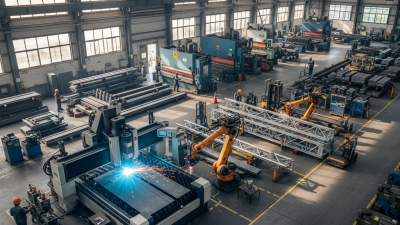
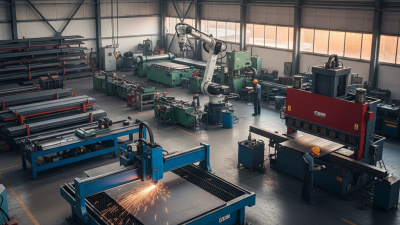
China has become a major sourcing base for steel fabrication machinery, serving workshops, construction contractors, and global steel processors. Its supplier network includes manufacturers of CNC plasma cutters, laser cutting systems, press brakes, welding manipulators, beam drilling lines, and automated production cells.
However, “top supplier” should not mean the lowest quoted price. It should reflect cutting accuracy, machine stability, service response, spare-part availability, and documented factory experience. Charlie Carter, former president of the American Institute of Steel Construction, has emphasized a principle relevant to equipment selection: “The quality of a steel structure depends on the decisions made before fabrication begins.” That decision includes choosing machinery that matches steel thickness, production volume, tolerances, and operator skill.
The strongest Chinese suppliers usually provide machine testing, technical drawings, installation guidance, and clear warranty terms. Some also demonstrate equipment using real structural sections, such as 20-millimeter plates or H-shaped beams. That detail matters. A polished catalog cannot reveal vibration, software limitations, or delayed service.
Buyers should inspect factory certifications, reference projects, control-system brands, and recorded cutting results. They should also ask how quickly consumables and replacement components can arrive. This step is often overlooked.
Not every supplier performs equally.
A careful comparison can expose weaknesses early. A supplier may offer impressive automation but lack local technicians. Another may build reliable machines but communicate poorly after delivery. These imperfections deserve attention, not excuses. This guide examines China’s leading steel fabrication machinery suppliers through practical criteria, including product capability, manufacturing experience, customization, after-sales support, and long-term operating value.
What Is Steel Fabrication Machinery?
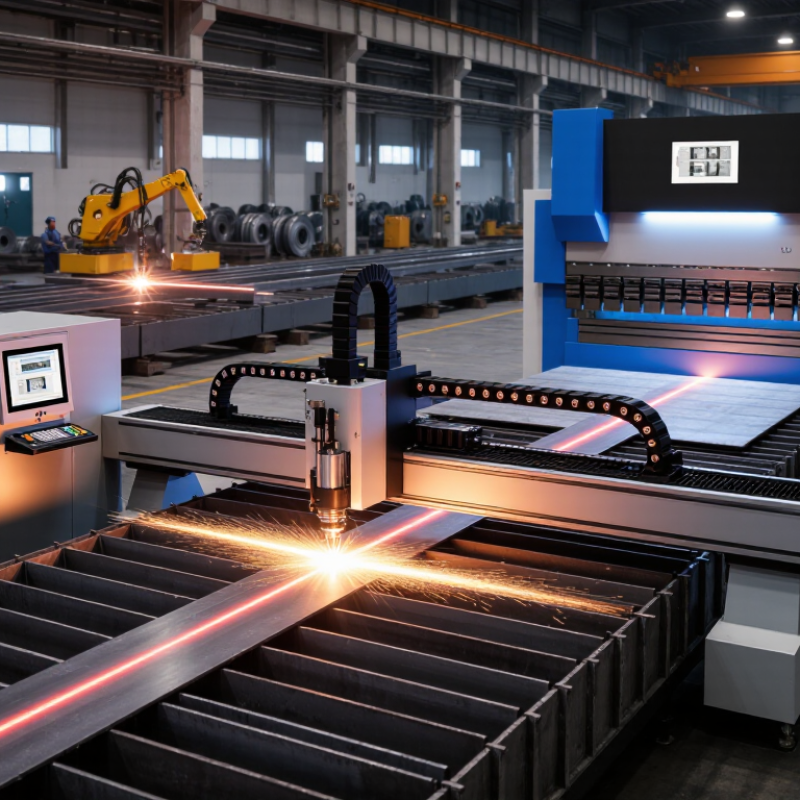
Steel fabrication machinery is the equipment used to cut, shape, join, and finish metal components. It converts steel plate, beams, tubes, and sections into usable structures. Common machines include CNC plasma or laser cutters, hydraulic shears, press brakes, drilling systems, welding positioners, and shot-blasting equipment.
Each machine handles a different stage. A cutting system may prepare a 12-millimeter plate with programmed holes and profiles. A press brake then forms accurate angles. Welding equipment joins the parts, while grinding tools remove sharp edges and visible weld irregularities.
Small errors matter. A slight bend variation can affect an entire frame during assembly.
From practical workshop experience, reliable machinery needs more than impressive specifications. Operators should check cutting tolerance, working capacity, control stability, safety protection, spare-part access, and maintenance support. Test pieces reveal more than brochures. Inspect the finished edge, hole position, deformation, and repeatability.
A machine can be powerful yet unsuitable. This happens often.
I also think supplier evaluation deserves careful reflection. Low purchase cost may hide energy use, training needs, or difficult repairs. No checklist is perfect. A responsible decision compares production volume, steel thickness, available floor space, operator skill, and required quality records. Clean cable routing, clear manuals, and accessible emergency controls may seem ordinary, but they strongly influence daily reliability.
China’s Main Types of Steel Fabrication Machinery
China Top Steel Fabrication Machinery Suppliers?
China’s Main Types of Steel Fabrication Machinery
China’s steel fabrication machinery industry covers several practical equipment groups. Cutting machines use plasma, laser, oxy-fuel, or saw systems. Each method suits different thicknesses and accuracy requirements. Drilling machines create consistent holes for beams, plates, and structural connections. Some production lines combine drilling, marking, and cutting in one workflow. This can reduce handling time on busy factory floors.
Bending machines shape plates and profiles with controlled pressure. Press brakes are common for precise angular work. Rolling machines form cylinders, cones, and curved sections. Welding machines support manual, semi-automatic, and robotic production. I have seen factories choose advanced automation too early. Skilled workers still matter when steel thickness, heat distortion, or unusual shapes change. Inspection equipment, including ultrasonic and dimensional tools, helps verify joint quality and final measurements.
Tips: Match the machine to your steel grade, thickness, and daily output. Ask for test samples using your actual material. Check machine rigidity, control accuracy, maintenance access, and operator training. A lower purchase price may create higher downtime later. Review safety guards and electrical documentation carefully. I would also leave space for future upgrades, because production plans often change.
Leading Chinese Suppliers and Their Product Strengths
China’s leading steel fabrication machinery suppliers compete through practical engineering, broad product ranges, and responsive production support. Their main strengths include CNC laser cutters, plasma systems, press brakes, plate rolling machines, and automated welding lines. These suppliers often serve structural steel, shipbuilding, bridge, and heavy equipment manufacturers.
CNC press brakes offer stable bending accuracy for thick plates and repeated production. Laser cutting systems provide clean edges, narrow heat-affected zones, and detailed profiling. Heavy-duty plate rollers handle large cylinders with controlled forming pressure. Automated welding equipment can improve seam consistency, especially on long structural components. However, performance depends on frame rigidity, software quality, operator training, and maintenance discipline.
Look closely.
A reliable supplier should provide material certificates, machine test records, electrical documentation, and clear tolerance data. Factory audits can reveal assembly quality that brochures rarely show. Ask for a live cutting or bending demonstration using steel similar to your own. After-sales service also matters, including spare-part availability, remote diagnostics, installation guidance, and technician response times. Some suppliers offer impressive specifications but provide limited process advice. That gap can become expensive. Buyers should compare total operating cost, not only the purchase price. A well-built machine may still underperform when tooling selection, calibration, or operator instruction is overlooked. Better suppliers acknowledge these limitations and propose measurable acceptance tests before shipment.
How to Compare Steel Machinery Suppliers
Comparing Chinese steel fabrication machinery suppliers requires more than checking price lists. Start with the machine’s actual duty: plate thickness, steel grade, cutting length, hole diameter, and daily production target. Ask for written tolerance ranges, cycle times, and energy data. A supplier using measured figures appears more reliable than one making broad promises. Request videos of similar equipment, but treat videos as supporting evidence, not proof. Stronger evidence includes factory acceptance tests, inspection records, and references from comparable workshops.
Tips: Create one comparison sheet for every supplier. Record spindle power, working speed, positioning accuracy, warranty coverage, and delivery time. Ask each supplier to quote the same configuration. Otherwise, a cheaper offer may simply exclude tooling, software, or safety equipment. Keep questions practical. Can the machine process your sample drawing? Can technicians explain calibration without vague language?
Evaluate engineering support before signing anything. Ask who handles installation, operator training, troubleshooting, and spare-parts supply. Check whether manuals include wiring diagrams, maintenance intervals, and error codes. Confirm realistic replacement-part lead times. Total cost also includes freight, commissioning, tooling, training, and possible downtime. A low quotation can become expensive within six months. Payment schedules and warranty terms should be specific, not verbal assurances. Communication quality matters too, although it is easy to overvalue polite sales conversations. A supplier may excel with heavy plate but struggle with thin profiles. Practical comparisons can still miss hidden factory limitations, so inspect production records and test your own material when possible.
China Top Steel Fabrication Machinery Suppliers? How to Compare Steel Machinery Suppliers
Typical maximum cutting-thickness ranges by steel fabrication process
Use cutting thickness as an initial comparison dimension, then verify accuracy, cutting speed, duty cycle, automation, service support, spare-parts availability, and total cost of ownership. The ranges shown are indicative industry ranges from commonly published industrial equipment specifications, not ratings for any specific company or brand.
Quality Standards, Certification, and After-Sales Service
When evaluating China’s top steel fabrication machinery suppliers, quality evidence matters more than polished catalogs. Ask for ISO 9001 certification, current audit records, and product-specific inspection reports. Certification should match the factory’s actual scope. A certificate alone proves little.
Reliable suppliers provide material traceability from steel plate to finished machine. Request welding procedure qualifications, operator records, dimensional reports, and load-test results. For export projects, confirm whether the equipment meets applicable safety rules in your country. CE documentation may be relevant for European markets, but it should include a real technical file and risk assessment. Factory acceptance testing is valuable. Watch the machine cut, bend, or weld sample parts under realistic settings.
After-sales service often separates a dependable supplier from a risky purchase. Check response times, spare-parts availability, remote diagnosis, and technician training. Ask for a written service agreement, not verbal promises. Installation videos help, but complex systems may need supervised commissioning. Keep photos of delivered components and record serial numbers.
Small details reveal experience. A clear packing list prevents delays. A practical maintenance schedule protects production. Some suppliers offer impressive guarantees but vague exclusions. That deserves careful questioning. I would also contact recent users, while remembering that one successful installation is not conclusive evidence. Quality is not perfect paperwork. It is consistent performance, documented control, and support when something goes wrong.