China Best Aluminum Parts Manufacturing Supplier?
Finding China’s best aluminum parts manufacturing supplier requires more than comparing prices or polished websites. A capable partner should understand alloy selection, machining behavior, surface finishing, and production risks. Aluminum 6061 may suit a lightweight bracket, while 7075 can support stronger aerospace-style components. The choice depends on load, environment, tolerance, and budget.
Practical experience matters. A reliable supplier should review your drawings before quoting. They should ask about critical dimensions, hole positions, thread depth, and cosmetic surfaces. During production, inspectors may use calipers, micrometers, CMM equipment, and sample checks. You should receive clear inspection records, material certificates, and photos of finished parts. Small details matter. Sharp edges can damage assembly teams. Poor anodizing can create visible color differences.
The best supplier is not always the largest factory. It is the partner that communicates clearly and accepts technical responsibility. Look for documented quality systems, traceable materials, stable lead times, and honest feedback about design limits. A factory audit, video inspection, or small pilot order can reveal more than a sales presentation. Still, no supplier is perfect. Delays happen. Misunderstood drawings happen too. Even experienced teams need careful confirmation.
This guide examines how to evaluate Chinese manufacturers for aluminum parts manufacturing. It considers engineering ability, equipment, quality control, finishing options, communication, and long-term reliability. The goal is not to promote one unverified company. It is to help buyers make a practical decision based on evidence, measurable performance, and lessons learned from real production needs.
What Defines the Best Aluminum Parts Manufacturing Supplier in China?
The best aluminum parts manufacturing supplier in China is defined by controlled execution, not the lowest quotation. The International Aluminium Institute projects global aluminum demand could rise nearly 80% by 2050. That pressure makes material efficiency and reliable production increasingly important. An experienced supplier should explain alloy selection, casting limits, machining allowances, and surface-finish risks before accepting a drawing.
I look for measurable process evidence. A capable factory can provide mill certificates, heat-lot traceability, first-article inspection, and dimensional reports from calibrated equipment. For a machined housing, the supplier should identify datum points, thread gauges, wall-thickness risks, and critical tolerances. According to ISO’s 2023 survey, more than 1.5 million ISO 9001 certificates were reported worldwide. Certification helps, but it does not replace production records or skilled review. That distinction matters.
Sustainability also deserves practical proof. The International Aluminium Institute reports that primary aluminum production averages roughly 16.5 tonnes of CO2 equivalent per tonne of metal, depending on energy sources and boundaries. A responsible supplier should disclose recycled content, scrap-recovery practices, and electricity data. Numbers can be incomplete. Ask anyway. I would also test a pilot batch before committing to volume. A low price may conceal unstable tooling, excessive rework, or weak packaging. The strongest supplier communicates bad news early, documents corrective actions, and improves after each production cycle. That is less glamorous, but far more dependable.
What Defines the Best Aluminum Parts Manufacturing Supplier in China?
A practical supplier evaluation scorecard based on measurable manufacturing and procurement criteria.
The strongest aluminum parts supplier should demonstrate reliable dimensional control, consistent surface quality, complete material traceability, dependable delivery, accurate quality documentation, and fast engineering support. The scores represent a neutral reference framework rather than data from any specific company or brand.
Key Aluminum Parts Manufacturing Processes and Capabilities
China Best Aluminum Parts Manufacturing Supplier?
Selecting an aluminum parts supplier requires more than comparing quoted prices. Experienced manufacturers begin with a clear drawing, alloy requirement, tolerance range, and expected production volume. They review wall thickness, draft angles, hole depth, and machining access before confirming the process. Small design changes can prevent major production problems.
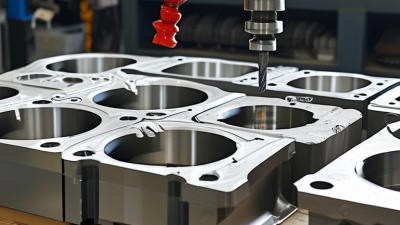
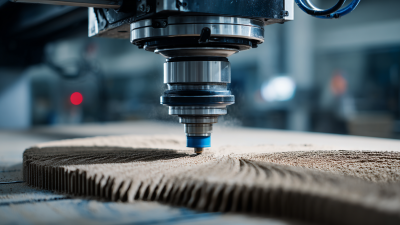
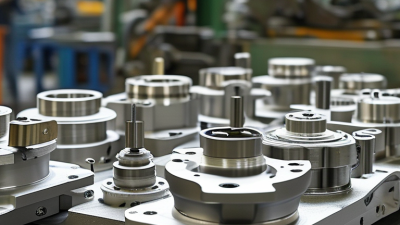
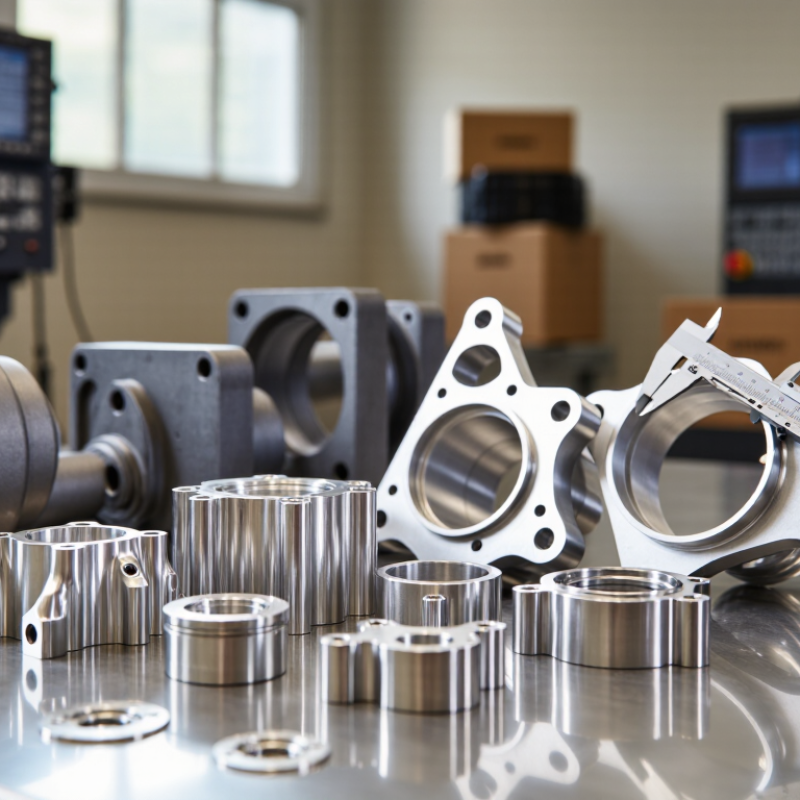
Common processes include CNC machining, aluminum die casting, extrusion, stamping, and aluminum forging. CNC machining suits prototypes and precise batches, with measured features recorded during production. Die casting supports larger quantities and complex housings, but tooling costs require careful planning. Extrusion creates consistent profiles, while forging improves strength through controlled material flow. Surface options may include anodizing, powder coating, polishing, or bead blasting.
Reliable production depends on more than equipment. Technicians should inspect incoming material, monitor tool wear, and verify critical dimensions with calibrated gauges or coordinate measuring machines. Traceable inspection reports add confidence. Still, no process is perfect. A supplier may overlook a thin rib or misread a tolerance note. That is why practical design reviews and sample approval matter. I would request first-article inspection, packaging details, and corrective-action records before releasing a larger order. Clear communication remains essential when parts must fit assemblies, endure vibration, or resist outdoor exposure. A strong supplier should explain limitations honestly, not promise everything.
How to Evaluate Quality, Precision, and Material Standards
China Best Aluminum Parts Manufacturing Supplier?
Evaluating an aluminum parts supplier requires evidence, not attractive photographs. Ask for material certificates showing alloy, temper, chemical composition, and batch traceability. ASTM and EN test methods help verify these records. The International Aluminium Institute reports that recycled aluminum uses roughly 5% of the energy required for primary aluminum production. Therefore, recycled content matters, but uncontrolled scrap can weaken consistency.
Precision should be proven on your drawing. Request a dimensional inspection report, calibrated equipment records, and a clear sampling plan. For critical holes, a coordinate measuring machine should report actual values, not only “pass.” ISO 9001 supports controlled processes, while ISO 2768 can define general tolerances when drawings lack details. Still, tolerance tables are not a substitute for functional testing.
Look for process capability data. A stable Cpk near 1.33 is commonly treated as a practical benchmark for capable production, although customer risk determines the real target. Ask how cutting tools are replaced, how burrs are removed, and how parts are protected during packing. Tiny edge marks often appear after machining, not during it.
Do not trust perfection.
A useful supplier should disclose one recent nonconformance and its corrective action. That answer may reveal more than a flawless audit file. Review sample parts under normal lighting, measure them independently, and compare results with the certificate. Reports can be incomplete. Your own verification still matters.
Questions to Ask Before Choosing a Chinese Aluminum Parts Supplier
China Best Aluminum Parts Manufacturing Supplier?
Questions to Ask Before Choosing a Chinese Aluminum Parts Supplier
Can the supplier explain why a specific aluminum alloy fits your part? Ask about 6061, 6063, or 7075 selection, not just the lowest price. Request material certificates, heat-treatment records, and clear batch traceability. A reliable supplier should connect each certificate to your purchase order.
How are tolerances measured? Ask whether inspectors use calibrated micrometers, height gauges, or coordinate measuring machines. Request a sample inspection report with actual readings, not only “passed” comments. Also check machining capability, surface treatment controls, packaging methods, and production capacity. A polished sample means little if later batches vary.
Ask for a realistic timeline that includes tooling, prototypes, inspection, and shipping. Who approves drawing changes? Who investigates defects? During supplier audits, I have learned that slow answers often predict slower problem solving. Still, no factory is flawless. Even an experienced team may miss a small burr or confuse a revision. Ask how it records mistakes and prevents repetition. Visit the facility when possible, or arrange a live video inspection. Request references from similar projects, but verify the details independently. Cost matters, yet uncontrolled variation can cost more than a higher quotation.