What is a Wastewater Flocculant and How Does It Work?
In the realm of environmental management, understanding the role of a Wastewater Flocculant is crucial. Wastewater treatment is a challenging process that seeks to purify water for safe discharge. Flocculants are vital agents that enhance this process by promoting the aggregation of suspended particles. This aggregation forms larger particles, or flocs, that can be easily removed.
The effectiveness of a wastewater flocculant lies in its ability to bind impurities together. As these flocs settle, the water becomes clearer and cleaner. This process not only improves water quality but also aids in reducing treatment costs. However, not all flocculants are created equal. Their effectiveness can vary based on the type of wastewater and specific contaminants present. Water treatment facilities face the constant challenge of selecting the right product for their needs.
While flocculants play a significant role, their use is not without concerns. Some substances may introduce further environmental risks. Thus, careful selection and management are crucial. Understanding how wastewater flocculants work can lead to more efficient treatment practices, benefiting both ecosystems and public health. The intricacies involved in this process reflect the ongoing need for innovation and optimization in wastewater treatment technology.
Definition of Wastewater Flocculants and Their Purpose
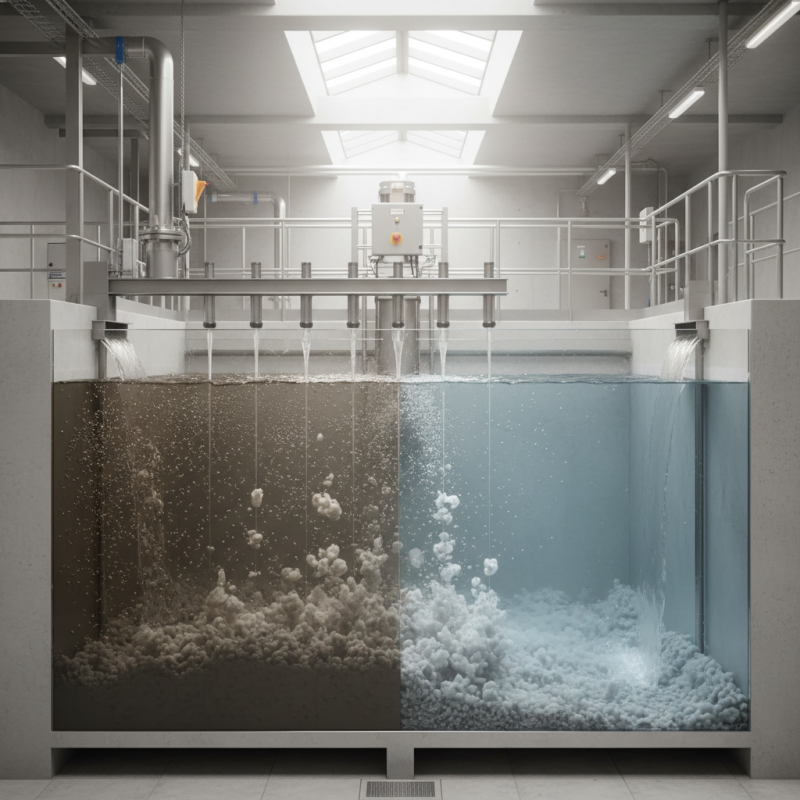
Wastewater flocculants are substances that help in the treatment of wastewater. They are designed to promote the clumping of particles in water. By doing so, flocculants improve the efficiency of water purification processes. This leads to cleaner water that can be reused or safely discharged into the environment.
The primary purpose of flocculants is to remove suspended solids from wastewater. When added to the water, they bind tiny particles together. This process forms larger aggregates called flocs. These flocs are easier to filter out or settle at the bottom of treatment tanks. While effective, the application of flocculants is not without challenges. Overuse can lead to excessive sludge generation. It raises concerns about the disposal of the sludge.
In practical applications, the amount of flocculant used needs careful consideration. Too little won’t effectively coagulate the particles, while too much can cause operational issues. Operators must continually assess performance and adjust dosages. This fine-tuning requires a balance, eliciting a need for ongoing evaluation. The dynamic nature of wastewater means constant adaptation to changing conditions.
Wastewater Treatment: Effectiveness of Flocculants
This chart illustrates the effectiveness of different types of wastewater flocculants used in treatment processes. The data represents the percentage of suspended solids removed from wastewater after treatment.
Types of Wastewater Flocculants Used in Treatment Processes
Wastewater flocculants play a vital role in the treatment of industrial and municipal wastewater. These agents help in clumping fine particles together, creating larger flocs that can be easily removed. Common types of flocculants include organic polymers and inorganic compounds, each tailored for specific wastewater characteristics. Studies indicate that over 70% of wastewater treatment plants utilize synthetic polymers due to their effectiveness in various conditions.
Organic flocculants are especially popular. They are derived from natural sources, offering a more environmentally friendly alternative. In contrast, inorganic flocculants, such as aluminum sulfate, are effective in lowering turbidity quickly. However, they often generate a significant amount of sludge, which poses disposal challenges. A recent industry report highlighted that using organic flocculants can reduce sludge production by 30-40%.
Challenges remain, particularly regarding dosing accuracy and the potential for chemical residue. Improper application can lead to inefficient treatment and higher operational costs. Adapting flocculant types to specific wastewater streams is crucial. Treatment plants often face limitations in monitoring floc formation in real-time. This gap can hinder the optimization of flocculant use, emphasizing the need for ongoing research and development in this critical area of wastewater management.
What is a Wastewater Flocculant and How Does It Work? - Types of Wastewater Flocculants Used in Treatment Processes
| Type of Flocculant | Chemical Composition | Common Applications | Advantages | Disadvantages |
| Polyacrylamide | Synthetic polymer | Clarification, sludge dewatering | Highly effective for turbidity reduction | Potential toxicity concerns |
| Aluminum Sulfate | Inorganic salt | Drinking water treatment, industrial wastewater | Cost-effective and widely used | Can increase aluminum levels in treated water |
| Ferric Chloride | Inorganic coagulant | Municipal wastewater treatment | Effective in a wide pH range | Can lead to residual iron in treated water |
| Sodium Bentonite | Natural clay mineral | Sludge thickening, pond treatment | Environmentally friendly and non-toxic | Less effective for fine particles |
| Chitosan | Natural polymer derived from chitin | Food processing wastewater, aquaculture | Biodegradable and environmentally friendly | Higher cost compared to synthetic options |
Mechanism of Action: How Flocculants Promote Particle Aggregation
Flocculants play a vital role in wastewater treatment. They help remove suspended solids from water by promoting particle aggregation. When these agents are added, they bond with tiny impurities. This creates larger clusters or "flocs." These flocs settle more easily, improving water clarity.
The mechanism behind flocculants is fascinating. They work by neutralizing the charges on suspended particles. Most impurities carry a negative charge. When flocculants are introduced, they disrupt this charge. This allows particles to attract each other. Think of it like magnets that suddenly can connect. The process can be chaotic, as not every particle will come together. Some might still linger in the water.
The efficiency of flocculants can be inconsistent. Factors like pH levels and temperature can affect their performance. Monitoring these conditions is crucial. In some cases, excessive flocculant use may lead to floatation instead of settling. This could complicate the treatment process. Each situation requires careful consideration to achieve the best results.
Applications of Flocculants in Various Industries
Flocculants are essential in various industries, playing a crucial role in wastewater treatment. They help in the efficient removal of suspended solids. When added to water, flocculants promote the clustering of small particles into larger flocs. This process makes it easier to separate contaminants from water. In municipal wastewater treatment, flocculants enhance the sedimentation process. They aid in clarifying the water before it is released into natural bodies.
In the mining sector, flocculants are used to recover valuable minerals from slurries. Their ability to bind fine particles is invaluable. However, the effectiveness of flocculants can vary based on water chemistry. In some cases, adjustments are needed for optimal performance. Similarly, in the food and beverage industry, flocculants help clarify juice and beer. They contribute to a clearer final product, enhancing consumer appeal.
Despite their benefits, reliance on flocculants raises questions. The potential environmental impact of their residues is worth considering. The need for sustainable alternatives is becoming increasingly urgent. Industries must balance efficiency with eco-friendliness. Thus, ongoing research and development are vital for finding better flocculant options.
Environmental Impact and Considerations of Using Flocculants
Wastewater flocculants play a crucial role in water treatment processes. They aid in the removal of suspended solids, making water cleaner. However, the environmental impact of using these chemicals must be carefully considered.
Flocculants can affect aquatic ecosystems. When used excessively, they may lead to toxic conditions in water bodies. This toxicity can harm fish and other marine life. Not all flocculants are biodegradable, raising concerns about long-term effects. Therefore, it's vital to monitor their application and assess their environmental footprint.
Tip: Always opt for eco-friendly flocculants when possible. They can provide effective results while minimizing risks to the environment. It's essential to research and choose a product that balances performance and safety.
In addition, proper dosing is crucial. Overuse can lead to negative side effects. It’s important to experiment with the right amount that achieves desired results without harming nature. These considerations should guide your use of flocculants, making sure the benefits outweigh potential drawbacks.