How to Use Cold Rolled Coil in Manufacturing Processes?
Cold Rolled Coil is a versatile material widely used in various manufacturing processes. It offers unique properties, such as increased strength and improved surface finish. These features make it an ideal choice in industries like automotive, construction, and appliance manufacturing. However, understanding how to effectively utilize Cold Rolled Coil can be challenging.
In manufacturing, the initial step is selecting the right thickness and width of the coil. This selection impacts the final product's strength and durability. Moreover, improper handling can lead to defects, such as surface scratches or oil stains. Awareness of these potential issues is crucial for manufacturers.
Cold Rolled Coil requires specific processing techniques like stamping and bending. Each technique demands attention to detail. Even a slight error can affect product quality. As manufacturers explore using Cold Rolled Coil, they must balance innovation with meticulous care. Recognizing the advantages and challenges of this material is essential for successful applications in the manufacturing landscape.
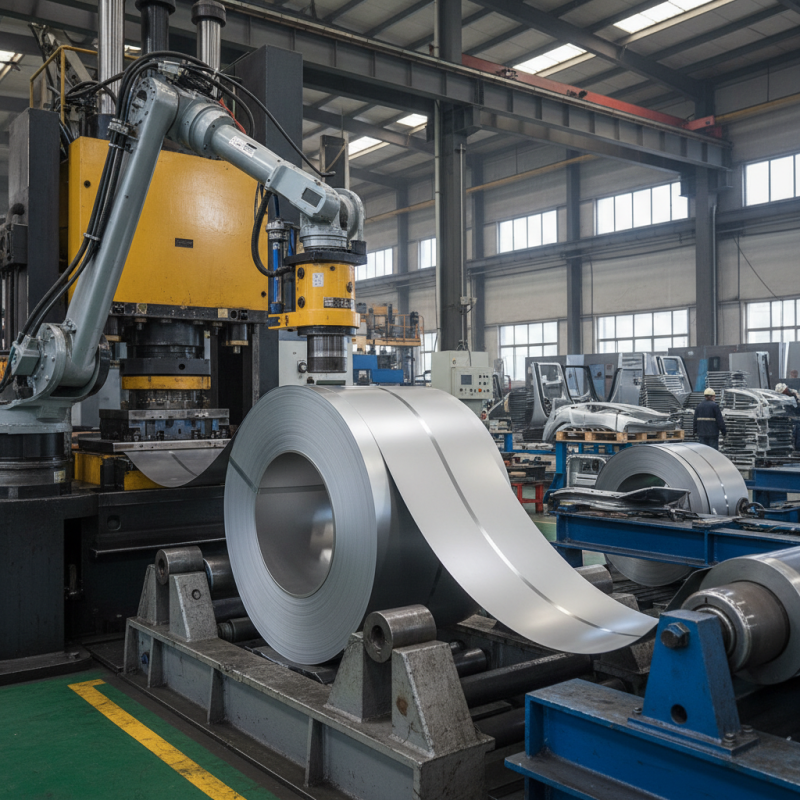
Understanding Cold Rolled Coil and Its Properties
Cold rolled coil (CRC) is a vital material in manufacturing. Understanding its properties helps optimize production processes. CRC features a smooth surface, tight tolerances, and high strength. These characteristics make it suitable for various applications, including automotive and construction.
The manufacturing process involves reducing raw steel thickness through cold rolling, which increases strength and enhances surface quality. According to the American Iron and Steel Institute, CRC can reach a yield strength of up to 600 MPa. This property is crucial for products requiring robustness. However, handling CRC may pose challenges. Care must be taken to avoid scratches and dents during processing.
Tips: Pay attention to storage conditions. Store coils in a clean, dry place to prevent rust. Regularly inspect the material for defects before use.
Moreover, CRC can be more challenging to weld. Ensure proper training for operators to avoid issues. In some cases, further heat treatment may be necessary to achieve desired results. Balancing quality and efficiency may require trial and error. This exploration can lead to a better understanding and improvements in manufacturing practices.
Tips: Always document the outcomes of various approaches. This data can guide future projects and enhance effectiveness.
Applications of Cold Rolled Coil in Various Industries
Cold rolled coil (CRC) is a material widely used across various industries. Its smooth, finished surface and precise dimensions make it ideal for manufacturing. The automotive sector, for instance, utilizes CRC for producing parts like chassis components and body panels. According to a 2022 industry report, the automotive industry accounts for nearly 60% of global cold rolled steel consumption.
In construction, CRC serves as a core material in structural components. Builders prefer cold rolled coils for their ability to withstand heavy loads. Reports indicate that the demand for cold rolled coils in construction has increased by 15% annually as infrastructure projects grow. This increase highlights the importance of CRC as a reliable choice for contractors.
Tips: Choosing the right gauge is essential. Thicker coils provide greater strength but reduce flexibility. Be mindful of the corrosion resistance when using CRC outdoors. Also, consider the overall environmental impact. Improper disposal of scrap can harm the environment. Always explore recycling options to minimize waste.
Applications of Cold Rolled Coil in Various Industries
Step-by-Step Guide to Processing Cold Rolled Coil
Cold rolled coil (CRC) is essential in various manufacturing processes. Its smooth surface and superior strength make it a preferred choice for several applications. When processing CRC, the first step involves cutting the coil to the desired length. Precise cutting ensures that manufacturers can maintain quality and minimize waste. This is crucial, as studies show that optimizing material use can increase production efficiency by up to 30%.
Next comes the forming process. Here, CRC is shaped into specific forms. This can range from sheets to more complex shapes used in automotive parts or machinery. The forming process often requires specialized tools to achieve the accuracy needed. A report by the Steel Manufacturers Association highlights that about 60% of CRC produced is utilized in automotive applications. The quality control at this stage is vital, as defects can lead to significant rework or scrap.
After forming, finishing processes such as annealing and coating are applied. Annealing helps relieve internal stresses in the metal. Coatings can enhance corrosion resistance, extending the application's lifespan. However, it is crucial to monitor the coating process closely. Inconsistent coatings can result in product failure. Therefore, companies must continually assess their processes to ensure they meet industry standards while striving for improvements.
How to Use Cold Rolled Coil in Manufacturing Processes? - Step-by-Step Guide to Processing Cold Rolled Coil
| Step | Description | Material Used | Tools Required | Safety Precautions |
| 1 | Unwinding the cold rolled coil from the spool. | Cold Rolled Steel | Unwinding machine | Wear gloves and safety goggles. |
| 2 | Cutting the coil to desired lengths. | Cold Rolled Steel | Cutting machine | Ensure blades are sharp and properly positioned. |
| 3 | Shaping the steel using a press or stamping machine. | Cold Rolled Steel | Press machine, dies | Keep hands clear of moving parts. |
| 4 | Finishing processes including coating and polishing. | Cold Rolled Steel | Polishing machine, coating equipment | Use appropriate PPE including respiratory masks. |
| 5 | Quality inspection of final products. | Cold Rolled Steel products | Measuring tools, inspection gauges | Follow safety protocols while handling sharp tools. |
Best Practices for Handling and Storing Cold Rolled Coil
When handling cold rolled coil, proper storage is crucial. The temperature and humidity of the storage area can significantly affect the coil's integrity. Keeping coils in a dry place prevents rust and corrosion. According to the American Society for Metal Service Centers Statistics, improper storage leads to a 25% increase in material defects. Not ideal for manufacturers focused on quality.
Using protective covers can provide a barrier against moisture and dirt. It is also essential to stack coils correctly to avoid any deformation. The recommended practice is to place smaller coils on top of larger ones. Many companies overlook this detail, leading to costly rework. In fact, a survey by the Steel Manufacturers Association found that 15% of fabricators experience issues due to improper stacking.
Regular inspections are another best practice. Checking for signs of wear or damage helps identify issues early. This proactive approach can save resources. However, many organizations still underestimate the importance of routine checks, affecting production efficiency. Engaging in better training for handling staff can bridge this gap, ensuring adherence to best practices.
Common Challenges and Solutions in Using Cold Rolled Coil
Cold rolled coil is widely used, but it comes with challenges. One major issue is the risk of surface defects. These defects can occur during the manufacturing process. They may lead to difficulties in further processing or negatively affect the final product's appearance. Inspecting the coils regularly helps mitigate this risk. However, not all manufacturers prioritize this step, which can result in costly errors.
Another common challenge is the brittleness of cold rolled materials. While they have excellent dimensional tolerance, they may be less malleable. This can complicate forming operations, such as bending or deep drawing. Some manufacturers may rush through the forming process, not recognizing the risk of cracking. Implementing a slower and more controlled process can enhance quality but requires patience and discipline.
Lastly, moisture control is crucial. It can impact the corrosion resistance of cold rolled coil. Many facilities overlook proper storage methods that keep coils dry. This can lead to rust, damaging the quality of the material. Regular audits of storage conditions can identify potential issues. Manufacturers should invest in weatherproof storage solutions to avoid future complications.