What Are Manufacturing Solutions?
Manufacturing solutions are the methods, systems, and tools companies use to make production safer, more consistent, and more efficient. They can include production-line equipment, scheduling software, quality controls, maintenance programs, and workforce training. A sensor that flags an overheating motor is one small example. So is software that helps supervisors spot recurring delays between workstations.
The phrase sounds simple. In practice, it covers many choices. A useful solution should address a specific production problem, fit the facility’s existing processes, and produce results that teams can measure. Common measures include defect rates, unplanned downtime, delivery times, and worker safety indicators. A new system may improve one measure while creating extra steps elsewhere, so evaluation matters.
Taiichi Ohno, a key architect of the Toyota Production System, is often associated with the principle, “Where there is no standard, there can be no kaizen.” The idea highlights why clear, repeatable processes matter when teams seek ongoing improvement. Yet standards alone do not fix every problem. A process can be consistent and still be poorly designed. That distinction deserves attention.
This guide explores what manufacturing solutions include, how companies assess them, and where implementation can fall short. Readers will find practical considerations, not a promise that one technology fits every factory. The right choice depends on the product, people, equipment, and constraints on the shop floor. Those details are easy to underestimate.
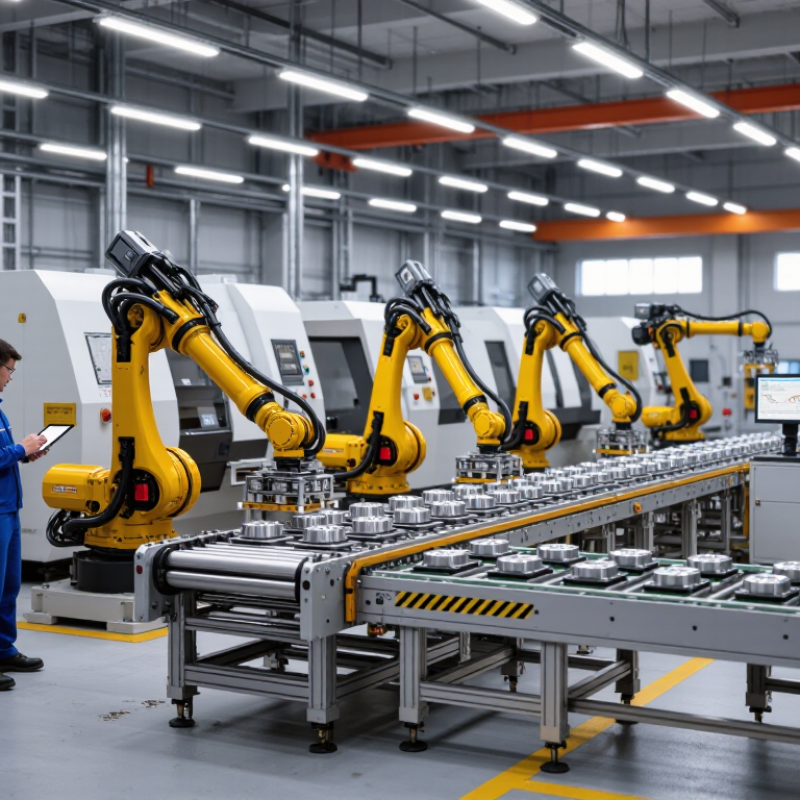
Definition and Scope of Manufacturing Solutions
Manufacturing solutions are the connected methods, technologies, and services that help turn materials into reliable products. Their scope can include production planning, machine control, quality inspection, maintenance, inventory management, and worker training. A small workshop might use digital work instructions and basic production tracking. A larger plant may connect sensors, robots, and scheduling software across several production lines. Not just robots.
The International Federation of Robotics reported 4,281,585 industrial robots operating worldwide in 2023, a 10% increase from 2022. That figure shows automation’s scale, but robot counts alone do not define a manufacturing solution. Deloitte’s 2024 manufacturing outlook found that 86% of surveyed executives expected smart manufacturing to drive competitiveness over the following five years. These reports point to a broad scope: equipment matters, but so do data, skills, process design, and integration. In practice, a sensor is useful only when someone can interpret its alert and act on it. This part is often underplanned. Solutions may also include energy monitoring, traceability, and secure data exchange with suppliers. The right mix depends on product complexity, output volume, workforce experience, and existing equipment. There is no universal package; even a well-designed system can add friction if it does not fit the people using it.
Core Components of a Manufacturing Solution
What Are Manufacturing Solutions?
Core Components of a Manufacturing Solution
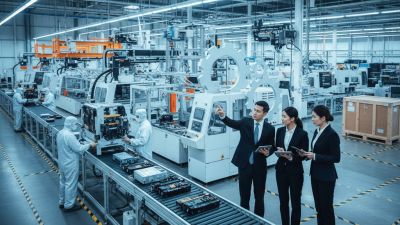
A manufacturing solution combines people, processes, equipment, and information to help production run reliably. Its core components should fit the actual factory, not an idealized diagram. A production line may need scheduling tools, machine monitoring, quality checks, and clear work instructions. These parts work best when they share timely, accurate information. For example, a delayed material delivery should be visible before workers reach an idle station. Measurement matters, too. Track indicators such as defect rates, unplanned downtime, and order completion, then review them with the people doing the work. Data alone does not explain every delay.
Tips: Start with one recurring production problem. Map its causes, test a small change, and compare results against a baseline. Keep the method simple enough for staff to use.
People and processes are just as important as software or machinery. Operators need practical training, while maintenance teams need accessible service records and planned inspection routines. Quality controls should identify issues near the point of production, where corrective action is easier. Systems also need to exchange information without creating duplicate data entry. That can take more effort than expected. A solution may look complete on paper yet fail during a busy shift, when instructions are unclear or a sensor provides unreliable readings. Review real workflows regularly, and revise the design when evidence shows a gap.
What Are Manufacturing Solutions? — Core Components
Manufacturing solutions bring together production execution, equipment monitoring, quality management, maintenance, and analytics. This illustrative example shows how availability, performance, and quality combine to calculate Overall Equipment Effectiveness (OEE): 90% × 95% × 99% = 84.6%. These sample values are not an industry benchmark.
Main Types of Manufacturing Solutions
What Are Manufacturing Solutions?
Main Types of Manufacturing Solutions
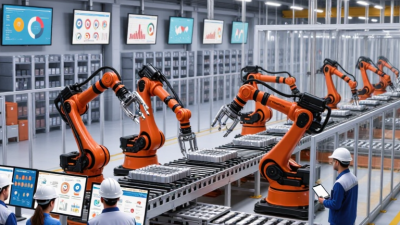
Manufacturing solutions combine equipment, software, and working methods to help factories produce goods reliably. Four common types address different bottlenecks. Production equipment and automation include assembly machines, robotic arms, conveyors, and sensors. They can reduce repetitive handling and improve consistency, but poorly planned automation may create new delays.
Manufacturing software is another major category. Production scheduling tools organize jobs, while manufacturing execution systems track work on the floor. Enterprise planning systems can connect purchasing, inventory, and production data. For example, a supervisor might use a live dashboard to spot a machine running below its expected rate. The numbers still need checking; a sensor can report activity without explaining its cause.
Process and quality solutions focus on how work is performed. Lean methods help teams identify unnecessary movement, such as walking across a shop floor for tools. Quality systems use inspections, measurements, and records to catch defects before products move onward. Maintenance programs, including planned inspections and condition monitoring, can help prevent sudden equipment failures. That matters. These approaches take time, and not every shop has clean data or staff available for training. A practical solution fits the factory’s products, skills, and actual constraints.
How Manufacturing Solutions Work in Practice
Manufacturing solutions work by connecting people, machines, materials, and production data around a defined operational problem. A plant might start with recurring delays at a packaging line. Supervisors map each stoppage, while sensors record machine states and operators note causes such as jams or changeovers. The team then adjusts maintenance schedules, work instructions, or equipment settings. Small trials matter. A dashboard alone rarely fixes a process.
In practice, implementation is a cycle: measure current performance, choose a bottleneck, test a change, and check the result against baseline figures.
The 2024 Deloitte and MAPI Smart Manufacturing Survey found that 86% of surveyed executives expect smart manufacturing initiatives to drive competitiveness over the next five years.
That is an expectation, not a guaranteed outcome. Useful measures include downtime, scrap, output per labor hour, and order lead time.
Teams should validate data quality before acting; a sensor can report a fault, but not always its root cause. Some plants also discover that inconsistent shift records distort the picture. That part is messy. A workable solution therefore includes training, clear ownership, and regular review, not just new technology. Automation can help, but changing too many variables at once makes results hard to trust.
Factors for Selecting a Manufacturing Solution
What Are Manufacturing Solutions?
Factors for Selecting a Manufacturing Solution
Selecting a manufacturing solution begins with the work it must perform, not its feature list. Map the product range, daily volume, changeover frequency, and quality checks. A line making several small batches needs different flexibility from one producing a single item all day. Small details matter. Record how long operators spend moving materials, adjusting equipment, and correcting defects.
Check whether the solution can connect with existing machines, planning tools, and quality records. Ask how it handles downtime and whether staff can diagnose common faults without waiting for outside support. Training time matters, too. A sophisticated system may look efficient on paper but create bottlenecks if workers find its interface confusing. Test before committing. A practical pilot can reveal missed steps, such as a slow approval screen or awkward access for routine maintenance.
Compare total operating costs, not just purchase price. Include installation, energy use, spare parts, training, and planned upgrades. Consider whether capacity can grow without replacing the entire setup. Forecasts are rarely exact; demand can shift, and product designs change. That gap matters. Define measurable targets, such as reduced changeover time or fewer inspection failures, then review actual results after implementation. A target that cannot be tracked is easy to misread.