Choosing a welding manufacturing partner can shape product quality, delivery schedules, and the cost of every revision. A polished website is not enough. Ask how the shop handles your drawings, confirms material grades, and documents inspections. Then look closer. Can its team explain weld processes in practical terms? Are sample parts consistent, with clean seams and dimensions that match the specification?
The right supplier should offer more than machines and a competitive quote. Experience with similar materials and assemblies matters, as do trained personnel, suitable equipment, and a repeatable quality process. Request relevant examples, inspection records, and clear answers about capacity and lead times. A reliable partner will also raise concerns early, such as an inaccessible joint or a tolerance that may increase rework. Those conversations can save time.
These ten tips provide a structured way to assess welding manufacturing partners before committing to a project. They cover technical capability, communication, quality controls, pricing, and long-term fit. Still, no checklist can replace engineering review or a careful discussion of your actual requirements. I have seen a good-looking proposal leave important questions unanswered. That is worth remembering. Verify claims, compare evidence, and decide whether the supplier’s process suits your product—not just whether its quote looks attractive.
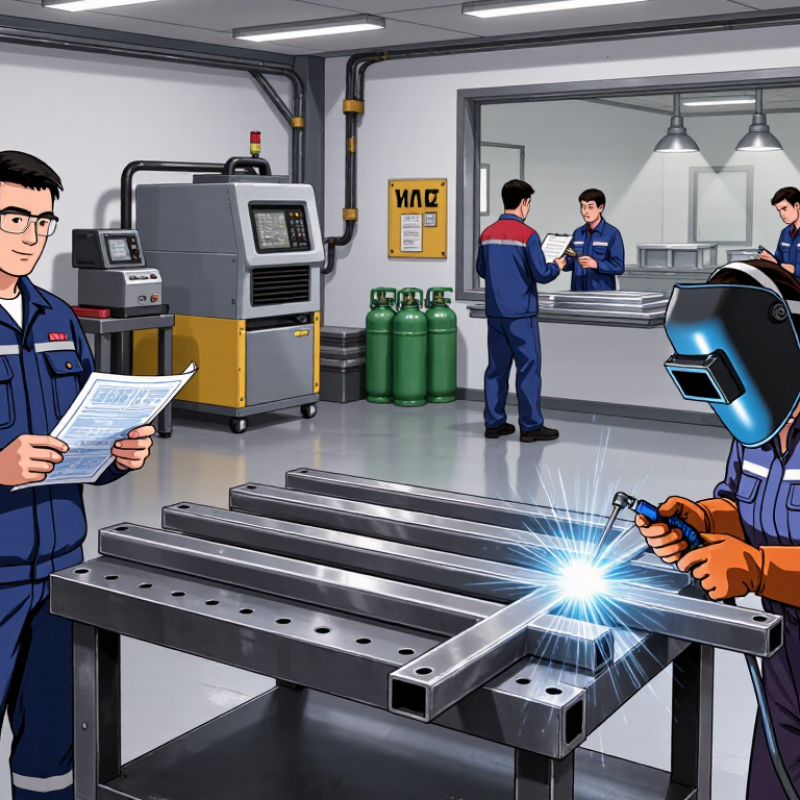
Before contacting a welding manufacturing partner, define the part, the process, and the production target. Specify material grade and thickness, joint type, dimensions, tolerances, surface finish, and operating conditions. A 3 mm stainless bracket and a 12 mm carbon-steel frame may need different equipment, fixtures, and inspection. Mark critical welds on the drawing; “make it strong” leaves too much open to interpretation. Estimate batch sizes, annual demand, and launch dates. Tip: separate must-have requirements from preferences.
Set measurable acceptance criteria. Note which dimensions need checking, what visual defects are unacceptable, and whether additional inspection is warranted for the part’s use. Clarify documentation and traceability needs before requesting a quote. Ask for setup, tooling, welding, finishing, and packaging costs as separate line items. That makes quotes easier to compare and exposes missing assumptions. Small details matter.
Production goals should reflect real shop conditions, not only an ideal monthly quantity. Share expected peaks, likely design changes, and acceptable lead times. Tip: request a pilot run using representative parts, then review fit, distortion, cycle time, and rework. One trial may not predict every shift; that is worth acknowledging. Record any open questions and agree on who will resolve them before full production begins.
| Tip | Requirement to Define | What to Specify | Example Production Goal or Measure | Why It Matters When Selecting a Partner |
|---|---|---|---|---|
| 01 | Identify the base materials | List each material and grade, material thickness, product form, and any material certificates or traceability requirements. | Provide a drawing or bill of materials identifying the material and thickness range for every part. | Material type and thickness affect weldability, joint preparation, process selection, and inspection needs. |
| 02 | Describe the weld joints | Show joint locations, joint types, dimensions, access constraints, and any required weld size or length on drawings. | Use reviewed drawings that call out the required weld details rather than relying on verbal descriptions. | Clear joint information helps a manufacturer estimate labor, tooling, fit-up, and production sequence accurately. |
| 03 | Set applicable code and quality requirements | Identify the governing code, customer specification, acceptance criteria, and required documentation, if applicable. | Record the applicable requirements in the purchase specification and confirm them before production starts. | Acceptance criteria and documentation vary by application; agreement prevents conflicting interpretations later. |
| 04 | State the required welding processes | Specify a required process when your design or specification mandates one; otherwise, ask the partner to recommend a suitable process. | Approve the proposed process and procedure before releasing the production order. | The appropriate process depends on the material, joint, position, part geometry, and production volume. |
| 05 | Define the production quantity | Provide quantities for prototypes, initial production, and expected repeat orders, including likely variation in demand. | Separate the first-article quantity from the forecasted recurring quantity in the request for quotation. | Volume influences setup, fixturing, automation choices, unit cost, and the partner’s capacity planning. |
| 06 | Set delivery and schedule expectations | Give the required first delivery date, delivery frequency, shipping destination, and any milestone or ramp-up dates. | Agree on a dated schedule covering sample approval, production release, and shipment. | A shared schedule helps reveal whether the proposed lead time is realistic for materials, setup, fabrication, and inspection. |
| 07 | Define quality checks and records | List required inspections, inspection stages, reporting format, record retention, and any lot or part traceability needs. | Specify which inspection records must accompany each shipment, if any. | Agreeing on quality evidence makes results easier to review and supports consistent acceptance decisions. |
| 08 | Describe finish and post-weld operations | Call out requirements for cleaning, spatter removal, grinding, machining, coating, heat treatment, or other finishing steps. | Identify which operations are included in the finished-part specification and which are excluded. | Post-weld work can affect appearance, dimensions, cost, and delivery time, so it should be included in the scope. |
| 09 | Set measurable acceptance goals | Define the dimensional tolerances, visual criteria, functional requirements, and defect disposition process that apply to the part. | Use drawing-based tolerances and written acceptance criteria; avoid undefined terms such as “high quality.” | Measurable criteria help both parties evaluate parts consistently and resolve nonconformances efficiently. |
| 10 | Plan for changes and continuous improvement | Explain how drawing revisions, engineering changes, demand changes, and corrective actions will be reviewed and approved. | Assign a revision level to released documents and require approval before changed requirements enter production. | Change control helps prevent outdated drawings, avoidable rework, and confusion between production lots. |
Planning note: Production targets should be tailored to the part, applicable specifications, and business needs. Confirm requirements with the manufacturing partner before placing the production order.