
Buying Quartz Watches across borders requires more than comparing prices and dial designs. Battery life, movement accuracy, water resistance, materials, warranty coverage, and after-sales support can vary widely. A watch that looks identical online may arrive with a different movement, regional warranty, or unsuitable strap size.
The Federation of the Swiss Watch Industry reported Swiss watch exports of approximately CHF 26 billion in 2024. That figure shows the continuing strength of global watch demand, even during uneven economic conditions. Deloitte’s Swiss Watch Industry Study also highlights quality, brand reputation, and design as major purchasing influences. Grand View Research identifies quartz technology as a significant segment because of its affordability, precision, and low maintenance needs. Still, market reports cannot inspect the watch inside your parcel.
Nicolas G. Hayek, the late Swatch Group chairman, famously described quartz as “an electronic instrument.” His observation remains useful for practical buyers. Quartz Watches are tools for daily reliability, but they are not automatically perfect. Check the movement reference, battery replacement policy, crystal type, seller history, and local service options. Small details matter. A two-year warranty may exclude battery damage or moisture exposure. A “water-resistant” label does not mean safe for diving. Import duties and return costs can also change the final price. No checklist is flawless. However, these ten buying tips can reduce avoidable mistakes and help global buyers choose with clearer expectations.
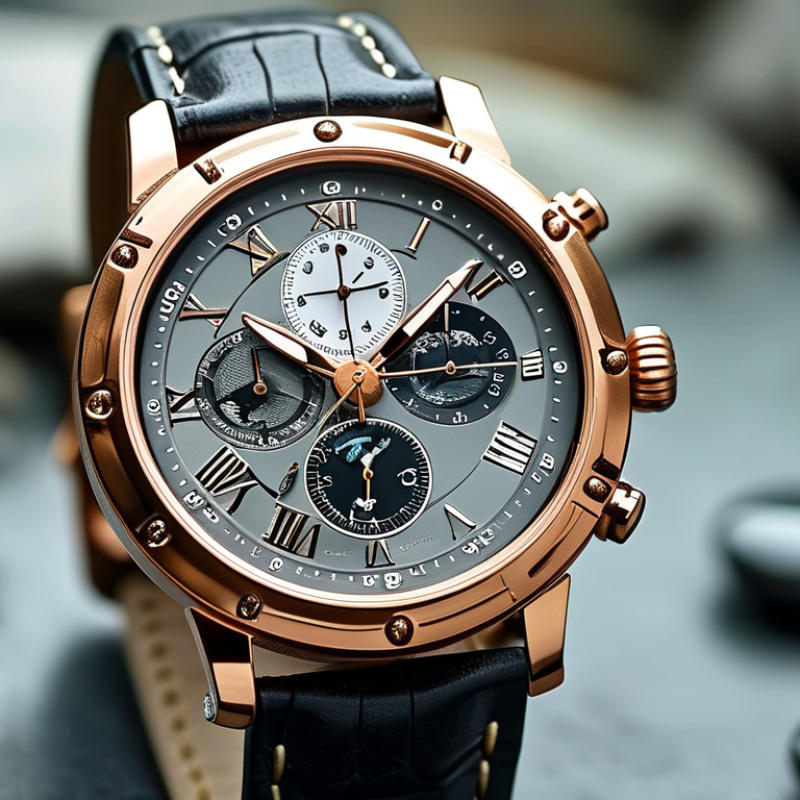
Quartz watches are not all built alike. Standard quartz movements use a battery and a stepping motor, moving the seconds hand once each second. They are affordable, accurate, and easy to maintain. A typical movement may lose or gain about 15 seconds monthly, although real results depend on temperature and handling. Solar quartz movements recharge through light, reducing battery replacements. Check the stated power reserve before buying. Some models stop after several months in darkness.
High-accuracy quartz movements use tighter electronic regulation and better temperature control. They can reach a few seconds of annual variation, but their price is usually higher. Quartz chronograph movements add timing functions, yet extra buttons and small hands can complicate reading. Hybrid movements combine electronic timing with mechanical display features. Ask for the movement type, accuracy specification, and service instructions. Vague descriptions deserve caution.
Hand movement can mislead buyers. A smooth-looking sweep does not automatically prove superior quality. I once judged a watch by its silent seconds hand and ignored its weak crown seal. That was a poor decision. Inspect the caseback, battery access, crystal edges, and crown action. For overseas purchases, confirm water-resistance testing, warranty coverage, and battery replacement options in your country. A rating marked on the case is not permission for careless swimming. Also check whether the seller provides a movement reference and genuine service parts. These details matter more than decorative packaging.
A quartz watch should feel practical before it feels impressive. Check the case material carefully. Stainless steel offers durability and a familiar weight, while titanium feels lighter and may suit sensitive skin. Mineral glass usually costs less, but sapphire glass resists scratches better. I once chose a large case because it looked balanced online. It felt bulky in daily use. Measure your wrist and compare the case diameter, thickness, and lug-to-lug length before buying.
Tip 1: Choose a case size that sits flat without extending beyond your wrist.
Tip 2: Check the strap material and buckle finish.
Tip 3: Select clear markers if you often read time quickly.
Tip 4: Confirm the stated water resistance for washing hands or outdoor use. Water-resistant is not waterproof.
Tip 5: Ask whether the battery is easily replaceable in your region.
Features should solve real problems, not merely fill a specification list. A date window can help at work, while a chronograph may add unnecessary thickness. Check the movement’s accuracy range, battery life, warranty terms, and service instructions from reliable seller documents.
Tip 6: Compare measurements in millimeters.
Tip 7: Read customer comments about comfort, not only appearance.
Tip 8: Check local repair access.
Tip 9: Avoid straps that trap sweat.
Tip 10: Test the crown and clasp gently.
Small details matter. I sometimes overlook clasp pressure when judging a watch, so wearing it for several hours is a better test than a quick fitting.
A quartz watch usually offers better everyday accuracy than a mechanical model. NIST’s Time and Frequency Division explains that ordinary quartz oscillators may drift around 15 seconds per month, depending on temperature and construction. That equals roughly three minutes annually. Check the tolerance before buying. A low-cost movement may perform differently near a sunny window or a cold airport.
Battery life often ranges from two to five years. However, backlight use, alarms, and frequent timing functions can shorten it. IEC 60086-3 sets performance requirements for watch batteries, but it does not promise identical service life in every case. Look for the battery type, rated capacity, and replacement guidance. Some newer systems advertise longer intervals, yet replacement availability varies greatly between countries.
Maintenance is simple, not effortless. Keep the case dry, test water resistance after opening, and replace a depleted battery promptly. A leaking cell can damage contacts and increase repair costs. NIST also notes that temperature changes affect quartz frequency, so accuracy claims should specify testing conditions. ISO 3159 provides a useful comparison point for chronometer testing, although it mainly covers mechanical wrist chronometers. That distinction matters.
My practical mistake was trusting “high accuracy” without checking the stated tolerance. Ask for seconds-per-month data. Also ask who can service the watch locally. A cheap battery is not cheap if shipping takes weeks.
Quartz Watches Buying Tips for Global Buyers
A reliable quartz watch begins with evidence, not polished photography. Check the seller’s legal business name, physical address, return policy, and traceable invoice. The OECD and EUIPO estimated that counterfeit goods represented up to 2.5% of global trade, so unusually low prices deserve careful scrutiny. Ask for a clear case-back photo, serial number, battery specification, and service records. Reviews help, but verified purchase history matters more than dramatic testimonials.
Certifications require precise reading. ISO 22810 addresses water resistance, while ISO 9001 usually concerns a company’s quality-management system. Neither certification automatically proves superior accuracy or long-term durability. A warranty should state its length, international coverage, repair process, battery exclusions, and shipping responsibility. A two-year warranty with no service address is weaker than a shorter warranty supported by documented repair channels. The Federation of the Swiss Watch Industry reported watch exports of about CHF 26 billion in 2024, showing the sector’s scale, but export value does not guarantee every seller’s reliability.
I would also compare the seller’s answers before purchasing. Do they explain magnetism, temperature effects, and pressure testing clearly? Vague replies are revealing. My own buying mistake would be trusting a familiar marketplace badge too quickly. Independent verification is still necessary. Keep screenshots, invoices, and delivery photographs. Small details matter.
Calculating Global Costs, Shipping Risks, Taxes, and Return Policies
Tip 1: Calculate the full cost before ordering. Add the watch price, international shipping, insurance, import taxes, and payment fees. A low listed price can become expensive at checkout.
Tip 2: Check the seller’s delivery estimate carefully. Economy shipping may take weeks and offer limited tracking.
Tip 3: Confirm the declared value and customs paperwork. Accurate information reduces avoidable delays.
Tip 4: Review packaging details. A rigid box, internal cushioning, and moisture protection matter during long transport.
Tip 5: Ask whether taxes are collected at checkout or charged on arrival. Rules differ by destination and product value.
Tip 6: Read the return policy before paying. Look for the return window, eligibility requirements, refund method, and customer-paid shipping costs.
Tip 7: Confirm who pays return duties. This detail is often overlooked.
Tip 8: Check warranty coverage in your country. Some repairs may require international shipping, creating extra cost and waiting time.
Tip 9: Use a payment method with clear dispute procedures. Keep invoices, tracking records, photographs, and messages.
Tip 10: Inspect the watch immediately after delivery. Photograph the unopened parcel, then test timekeeping, crown movement, crystal condition, and strap fit.
My experience is that careful records solve many disputes. I once underestimated return postage; it changed the purchase calculation completely. Exchange rates can also shift unexpectedly. Recheck them before payment. Shipping insurance sounds useful, but coverage exclusions deserve close reading. Some advice online feels too confident. Verify details with the seller and your local customs authority.