What is Modern Manufacturing and How Does It Impact Global Trade?
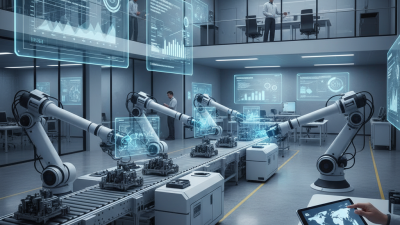
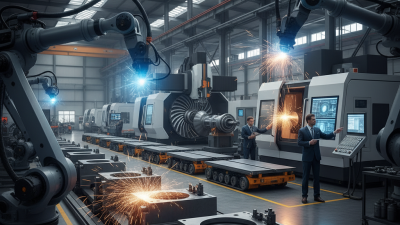
Modern manufacturing plays a pivotal role in today's global economy. It integrates advanced technologies like automation, AI, and big data to enhance productivity. According to a report from the World Economic Forum, digital manufacturing could add up to $2 trillion to global GDP by 2030. This transformation is not just about efficiency; it reshapes supply chains and trade dynamics.
Dr. Emily Parker, a leading expert in manufacturing technologies, noted, "Modern manufacturing is not merely a trend; it's the future of how we create and deliver products." This statement underscores the urgency for businesses to adapt. However, challenges persist. The shift to smart manufacturing can lead to job displacement and requires new skill sets. Companies must balance technological investment with workforce training. As industries evolve, keeping pace with these changes becomes crucial for sustainability and competitiveness.
Global trade is also shaped by modern manufacturing. Countries that embrace these innovations can boost their export potential. Yet, nations lagging in this area may face economic disadvantages. Reflecting on these factors reveals that while progress is essential, it must be inclusive and forward-thinking.
Definition and Key Features of Modern Manufacturing
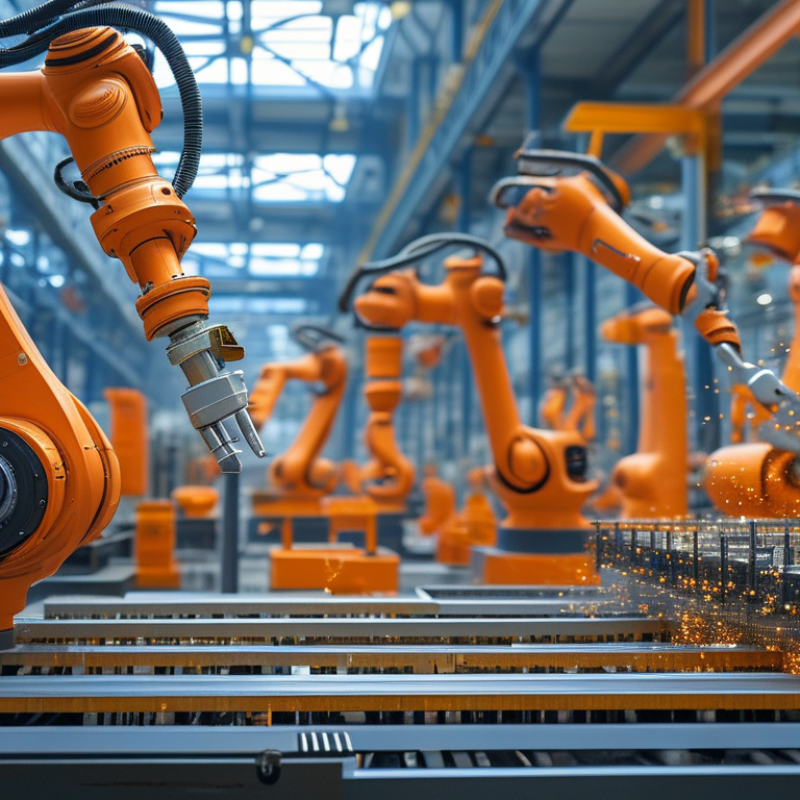
Modern manufacturing is defined by advanced technologies that enhance productivity and efficiency. Key features include automation, data analytics, and sustainable practices. According to the International Federation of Robotics, global sales of industrial robots increased by 12% in 2021. This shift toward automation reduces labor costs and improves production speed.
Data analytics plays a crucial role in modern manufacturing. By using real-time data, manufacturers can optimize operations and reduce waste. A McKinsey report shows that predictive maintenance can lower equipment downtime by 50%. This ability to anticipate issues creates a smoother manufacturing workflow.
Tip: Embrace technological innovations. This mindset helps businesses stay competitive. Consider investing in training for employees to maximize technology use.
Sustainability is also a hallmark of modern manufacturing. According to the World Economic Forum, companies that adopt green practices can see an increase in revenue. However, companies must also navigate the challenges of transitioning to eco-friendly operations, which can be costly and complex.
Tip: Assess the long-term benefits of sustainable practices. It can lead to profitability and brand loyalty in the long run.
Technological Innovations Driving Modern Manufacturing Processes
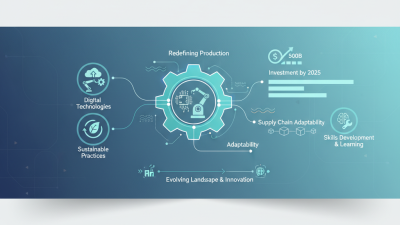
Modern manufacturing is undergoing a significant transformation driven by technological innovations. The adoption of smart technologies is reshaping production processes. For example, 70% of manufacturers plan to invest in IoT solutions by 2025. This shift is not just about efficiency but also about creating networks that allow real-time data exchange.
Automation and robotics play a critical role. Advances in AI and machine learning enable machines to learn from data and improve operations. A report from the International Federation of Robotics suggests that global robot sales are expected to grow by over 10% annually. This growth indicates a robust movement toward more efficient manufacturing environments. However, challenges remain. Many companies struggle with the integration of these technologies.
Sustainability also influences modern manufacturing. Research from McKinsey reveals that more than 50% of manufacturers prioritize sustainability in their operations. This focus addresses both environmental concerns and consumer demand for responsible practices. Yet, implementing sustainable practices can be complex, leading to potential setbacks. Balancing innovation, efficiency, and sustainability remains a challenging yet necessary endeavor in today's global trade landscape.
The Role of Modern Manufacturing in Global Supply Chains
Modern manufacturing reshapes global supply chains. It enhances efficiency and responsiveness. This transformation is driven by advanced technologies. Automation, robotics, and data analytics play a crucial role. These innovations allow for faster production cycles. Manufacturers can adjust quickly to market demands. But this agility comes with challenges.
One significant issue is the reliance on technology. Overdependence can lead to vulnerabilities. Cybersecurity threats can disrupt operations. A single attack may halt production lines worldwide. Moreover, the need for skilled workers is increasing. Companies may struggle to find qualified employees. Training programs must evolve to meet these demands. This gap can slow down progress in supply chains.
Another factor is sustainability. Consumers are more conscious of environmental impacts. Manufacturers face pressure to adopt eco-friendly practices. Balancing profit and responsibility is not easy. Some companies may prioritize cost-saving over ethical practices. Addressing this requires genuine commitment. As manufacturing evolves, must stakeholders reflect on their impact? The need for a more resilient and responsible supply chain is clear.
Impact of Modern Manufacturing on Trade Policies and Regulations
Modern manufacturing has reshaped how countries engage in global trade. Agile production methods, like just-in-time manufacturing, require consistent and flexible trade policies. Countries with advanced manufacturing technologies often push for regulations that favor quicker customs processes. This enhances efficiency but sometimes overlooks the needs of smaller producers.
Trade agreements are increasingly influenced by modern manufacturing. Policymakers must consider sustainability and ethical practices. As manufacturers adopt greener methods, they advocate for regulations that support eco-friendly materials. However, this shift can complicate negotiations. Not all nations are ready to embrace stringent environmental standards.
The rise of digital manufacturing creates new challenges for trade policies. Intellectual property concerns grow with the rise of 3D printing and digital blueprints. Nations grapple with how to protect innovations without stifling growth. The balance between protecting trade interests and embracing progress is delicate. This uncertainty forces constant reflection on the effectiveness of existing regulations.
What is Modern Manufacturing and How Does It Impact Global Trade?
| Aspect |
Description |
Impact on Trade |
| Automation |
Use of robotics and AI to perform manufacturing tasks |
Reduces production costs and increases efficiency, impacting export prices |
| Sustainability |
Focus on eco-friendly materials and processes |
Influences global standards and regulations on trade compliance |
| Global Supply Chains |
Network of suppliers and manufacturers across different regions |
Facilitates international trade but also creates vulnerabilities in crises |
| Digital Integration |
Incorporation of digital technologies in manufacturing processes |
Enhances data sharing and transparency in trade practices |
| Regulatory Changes |
Evolving laws affecting manufacturing and trade |
Requires companies to adapt strategies to comply with new trade regulations |
Challenges and Opportunities for Modern Manufacturing in Global Markets
Modern manufacturing is a vital part of global trade today. It faces numerous challenges but also offers significant opportunities. One primary challenge is the rapid pace of technological advancement. Manufacturers must continuously adapt to new tools and processes. This adaptation requires investment in training and infrastructure.
In addition, global supply chains are complicated by political and economic fluctuations. Trade policies can shift suddenly, affecting costs and availability of materials. Companies often find it difficult to navigate these changes. However, flexibility can turn these challenges into opportunities. Manufacturers that embrace innovation can streamline operations and reduce costs.
Sustainability is another area ripe for opportunity. There is a growing demand for eco-friendly practices. Companies that prioritize sustainable manufacturing can attract environmentally conscious consumers. This shift requires a reevaluation of traditional methods. Embracing this change can lead to long-term benefits. Balancing these pressures will define success in modern manufacturing.