Top China CNC Contract Manufacturers for Global Buyers
Choosing a China CNC contract manufacturing partner requires more than comparing hourly rates. Global buyers need dependable machining, clear communication, and evidence that supports every important claim. A polished website can show impressive machines, yet it cannot confirm repeatability, inspection discipline, or delivery performance.
This guide introduces leading China CNC contract manufacturers for international projects. It focuses on practical factors that experienced procurement teams review before signing a contract. These include material traceability, equipment capability, tolerance control, surface finishing, quality records, and production capacity. A capable supplier should explain how it manages drawings, revisions, first-article inspection, and nonconforming parts. It should also communicate realistic lead times instead of promising everything immediately.
Details matter.
A reliable factory may share inspection photographs, coordinate-measuring-machine reports, sample parts, and references from comparable industries. Buyers should verify certifications directly and confirm whether a facility or subcontractor performed the work. ISO 9001 registration can support confidence, but it does not replace process audits or technical discussions. That distinction is easy to miss.
The manufacturers discussed here serve different needs, from prototype batches to repeat production for industrial equipment, robotics, medical devices, and consumer products. Their strengths may vary by alloy, tolerance, volume, finishing method, and export experience. No ranking can remove every sourcing risk. Even careful evaluations can overlook communication delays or packaging weaknesses. For that reason, buyers should request samples, define acceptance standards, protect design data, and review applicable safety, export, and product regulations before production begins.
What CNC Contract Manufacturing Means for Global Buyers
CNC Contract Manufacturing for Global Buyers
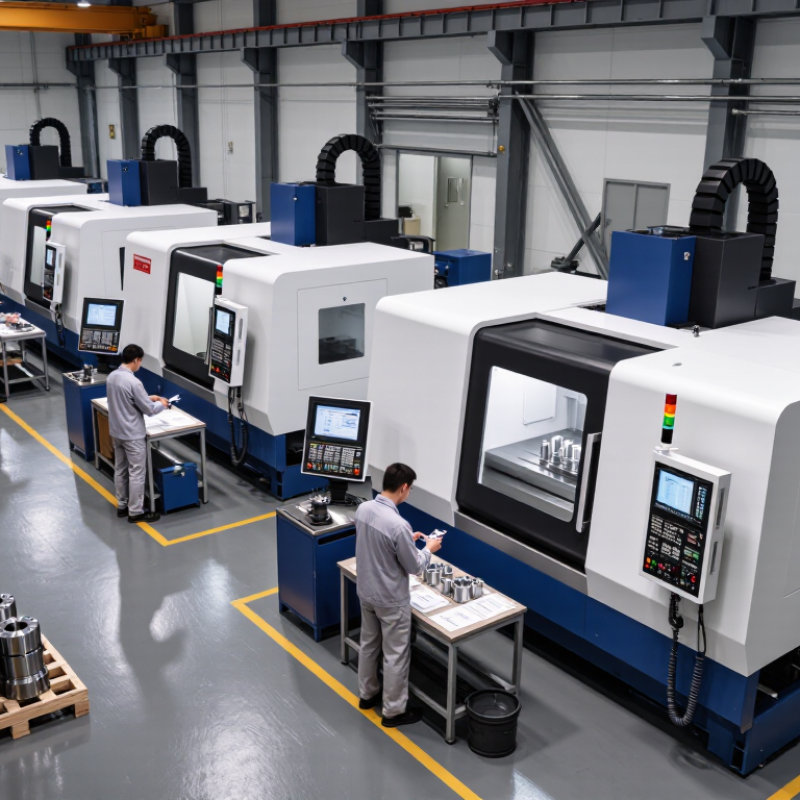
CNC contract manufacturing means an external factory produces machined parts to your drawings, specifications, and inspection requirements. The buyer owns the product design, while the manufacturer manages programming, tooling, machining, finishing, and quality checks. This arrangement can reduce equipment investment and shorten production preparation. It also creates responsibility gaps if drawings lack tolerances or material standards.
According to Grand View Research’s 2024 CNC machine market analysis, the global market is projected to grow at about 8.5% annually through 2030. That growth reflects stronger demand for flexible, digitally controlled production. For overseas buyers, capability matters more than impressive equipment lists. Ask for sample inspection reports, process capability data, material certificates, and evidence of repeat production. A 2023 industry survey by the International Organization for Standardization recorded more than one million valid quality-management certificates worldwide. Certification helps, but it does not replace part-level verification.
Small details decide outcomes. Specify datum points, surface-finish limits, thread gauges, and packaging conditions. Confirm whether measurements use millimeters, inches, or mixed standards. Request a first-article inspection before volume production. It costs time. It can prevent expensive rework. I have seen buyers focus on unit price and overlook fixture charges, export packing, and corrective-action procedures. That approach is understandable, but incomplete. A reliable contract partner should communicate deviations early, document changes, and protect revision control across every shipment.
How to Assess China-Based CNC Contract Manufacturers
Top China CNC Contract Manufacturers for Global Buyers
Assessing a China-based CNC contract manufacturer requires more than comparing hourly prices.
Review its machining experience with your materials, tolerances, surface finishes, and production volumes. Ask for sample inspection reports, process records, and clear explanations of how defects are controlled. A reliable supplier should discuss risks before receiving the purchase order.
Request a live or recorded factory audit. Check machine condition, calibration labels, tool storage, and the path from incoming material to final inspection. Confirm whether critical measurements use calibrated CMM equipment or only handheld tools. Material certificates and batch traceability matter, especially when parts must perform consistently across repeated orders. Communication quality is also evidence. Can the engineering team explain a drawing change without guessing?
Pilot Order
Run a small pilot order before committing to larger production. Compare the delivered parts with the approved drawing, not just the promised delivery date. Review packaging, labeling, dimensional variation, and corrective-action speed. I have found that polished presentations can hide weak process discipline. That risk deserves attention.
Do not rely on certificates alone.
Verify their scope and current status. Discuss ownership of drawings, inspection data, tooling, and rejected parts in writing. A strong contract manufacturer welcomes practical questions, though not every supplier will answer perfectly on the first call. That hesitation may reveal limited experience, or simply a language gap. Test the difference through specific follow-up questions, stable documentation, and repeated communication.
CNC Services, Materials, and Production Capabilities
Top China CNC Contract Manufacturers for Global Buyers
China’s strongest CNC contract manufacturers combine material knowledge with disciplined production control. Common choices include 6061 and 7075 aluminum, 304 and 316 stainless steel, brass, titanium, POM, and PEEK. Each behaves differently during cutting. Aluminum supports fast milling, while titanium needs slower feeds and careful heat control.
Grand View Research estimates that the global CNC machine market will continue expanding strongly through 2030, reflecting wider demand for accurate, flexible production.
Capabilities should match the part, not only the drawing. Three-axis milling suits many brackets and housings. Five-axis machining reduces setups for curved aerospace and medical components. CNC turning handles shafts, bushings, and threaded parts efficiently. Practical suppliers also provide anodizing, passivation, bead blasting, heat treatment, and laser marking.
Inspection may include calibrated gauges, CMM measurement, surface-finish testing, and material certificates.
ISO 2768 remains a useful reference for general tolerances, but critical dimensions require specific tolerances on the drawing.
A perfect first quote is rare.
The better process invites questions about wall thickness, tool access, burrs, and datum choices. I have seen attractive designs fail during clamping. Small changes can reduce cycle time and scrap.
Industry 4.0 research from Deloitte continues to link digital traceability with stronger manufacturing visibility, yet software alone cannot replace skilled inspection.
Request a first-article report, process photos, and batch records before scaling production. Sometimes the cheapest offer is only cheaper on paper.