What is Contract Chemical Manufacturing and How Does It Work?
Contract chemical manufacturing is a specialized service that produces chemicals for various industries. This process allows companies to outsource their production needs. It involves a partnership between manufacturers and businesses seeking specific chemical products.
In contract chemical manufacturing, companies provide formulas and specifications. Manufacturers then handle production, quality control, and compliance. This method reduces costs and increases efficiency. However, there are challenges. Choosing the right contract manufacturer can be difficult. Quality assurance and confidentiality are critical concerns.
The industry demands meticulous attention to detail. Missteps may lead to financial loss or safety issues. Despite these risks, many businesses thrive through this model. They focus on core activities while experts handle production. Ultimately, contract chemical manufacturing can offer flexibility and scalability.

Understanding the Concept of Contract Chemical Manufacturing
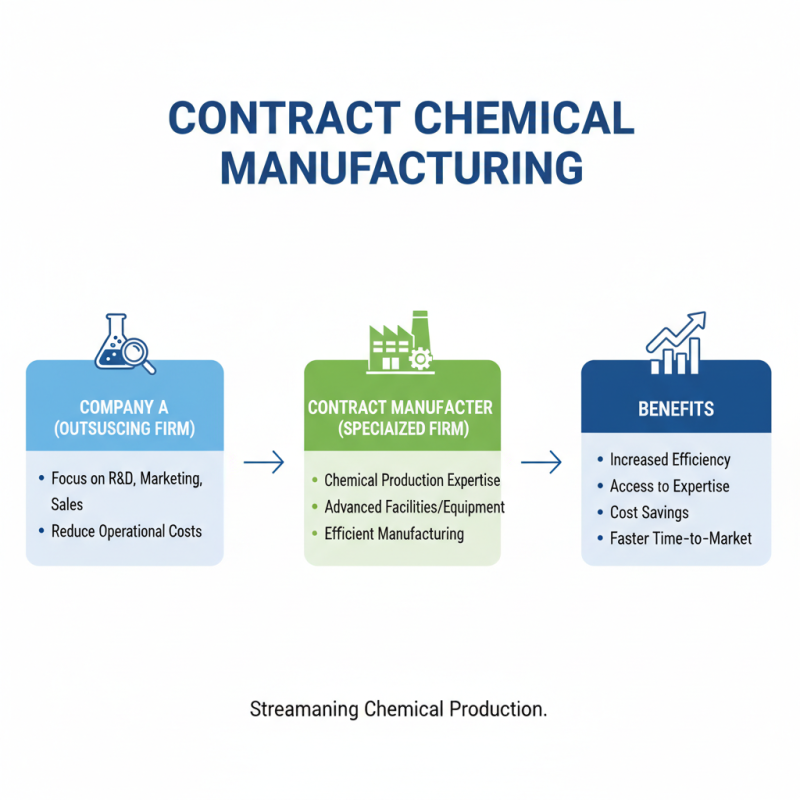
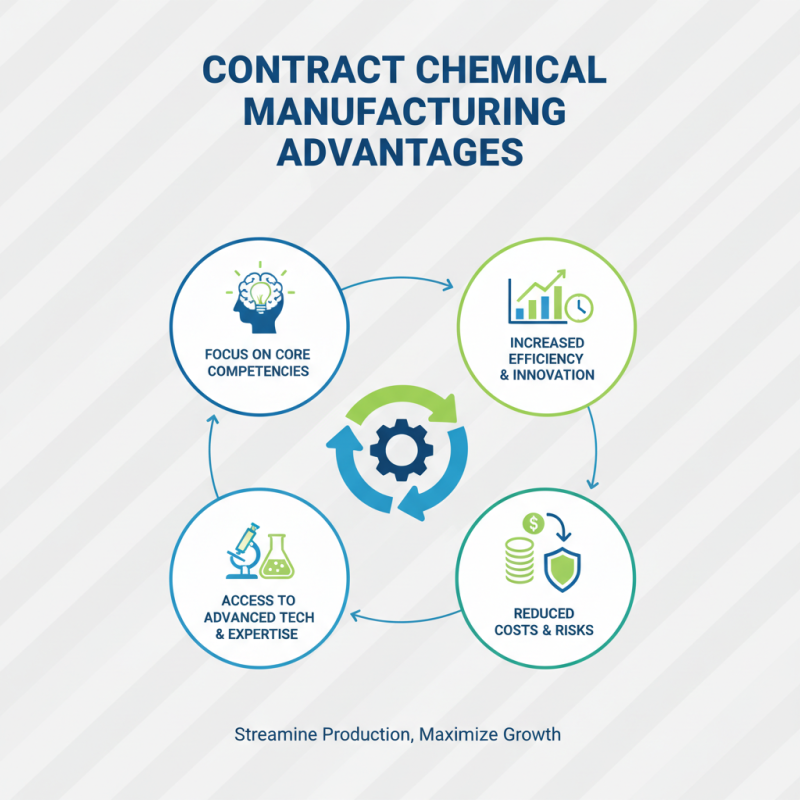
Contract chemical manufacturing refers to a business model where companies outsource the production of chemicals to specialized manufacturers. This approach allows firms to focus on their core competencies, such as research and development, marketing, or sales. Contract manufacturers possess the expertise and facilities needed to produce chemicals efficiently.
Understanding contract chemical manufacturing involves recognizing the importance of collaboration. Companies partner with manufacturers who can provide the necessary equipment and technology. There are challenges in communication and alignment of objectives. Misunderstandings can arise regarding quality standards and timelines. Additionally, the selection of the right manufacturing partner requires careful consideration. Not all manufacturers can meet specific needs.
Quality control is crucial in this sector. Each batch of chemicals must meet stringent regulations. However, ensuring consistency can sometimes be difficult. A lapse in quality can lead to significant repercussions. Companies must conduct regular audits and assessments to ensure compliance. Balancing cost and quality is often a struggle for many firms engaged in contract chemical manufacturing. Emphasis on maintaining standards is vital for success.
Key Players in Contract Chemical Manufacturing
Contract chemical manufacturing plays a crucial role in various industries. It involves outsourcing the production of chemical products to specialized firms. These firms can efficiently scale production and minimize costs. They often provide expertise in safety and regulatory compliance, ensuring high-quality output.
Key players in this sector include contract manufacturers, raw material suppliers, and technology providers. Each of these entities plays a vital role. Contract manufacturers handle production, while suppliers offer necessary chemicals. Technology providers enable advanced processes. Collaboration among these players ensures seamless operations.
Tip: When selecting a contract manufacturer, assess their track record and expertise. Review their quality control processes carefully. An effective partnership can enhance product quality and market reach.
Another important consideration is communication. Open channels between all parties can prevent misunderstandings. This fosters a productive working relationship. Not all partnerships work perfectly. It's vital to recognize challenges early and address them. Continuous improvement is necessary for long-term success.
Contract Chemical Manufacturing: Market Share by Application
The Process of Contract Chemical Manufacturing Explained
Contract chemical manufacturing is a vital sector, providing services for various industries, including pharmaceuticals and agrochemicals. Companies often rely on contract manufacturers to produce chemicals tailored to specific requirements. This outsourcing allows firms to focus on their core activities and reduce overhead costs.
The manufacturing process begins with a detailed agreement. Clients specify product formulations, quality standards, and timelines. For instance, the global contract manufacturing market is projected to reach $250 billion by 2025, indicating significant growth. However, not every contract manufacturer meets expectations. Some may struggle with quality assurance, leading to subpar products. The importance of rigorous quality control cannot be overstated.
During production, communication between partners is crucial. Inconsistent updates can lead to misunderstandings and delays. A survey revealed that 30% of companies experienced issues due to poor information flow. While contract manufacturers can enhance efficiency, businesses must choose partners carefully. Rethinking partnerships and regular audits are essential to improving outcomes and maintaining standards.
Challenges and Considerations in Contract Chemical Manufacturing
Contract chemical manufacturing offers distinct benefits, but it comes with its own set of challenges. One major concern is maintaining quality control. Ensuring products meet strict standards can be tough, especially when multiple suppliers are involved. Inconsistent raw materials can lead to unpredictable results. This can be a significant risk for companies relying on contract manufacturers.
Another challenge is communication. Without clear lines of communication, misunderstandings can arise. Timelines may shift, and project goals can become unclear. Frequent updates and feedback loops are essential. Otherwise, projects can spiral out of control. Sometimes, manufacturers may not fully grasp the client's vision. This can create additional hurdles down the line.
Regulatory compliance is another tricky area. Guidelines can vary widely by region. Ensuring adherence to these regulations requires diligence. Any oversight can lead to delays or costly fines. Companies must invest in training and resources to navigate this complex landscape. The need for flexibility is key. It's a constant balancing act that requires awareness and proactive management.