How to Choose the Best PVC Tarpaulin for Your Needs?
Choosing the right PVC Tarpaulin is essential for various applications. From construction sites to outdoor events, their versatility is unmatched. However, not all PVC Tarpaulins are created equal. Some are thicker, while others are lighter, making the choice even more complex.
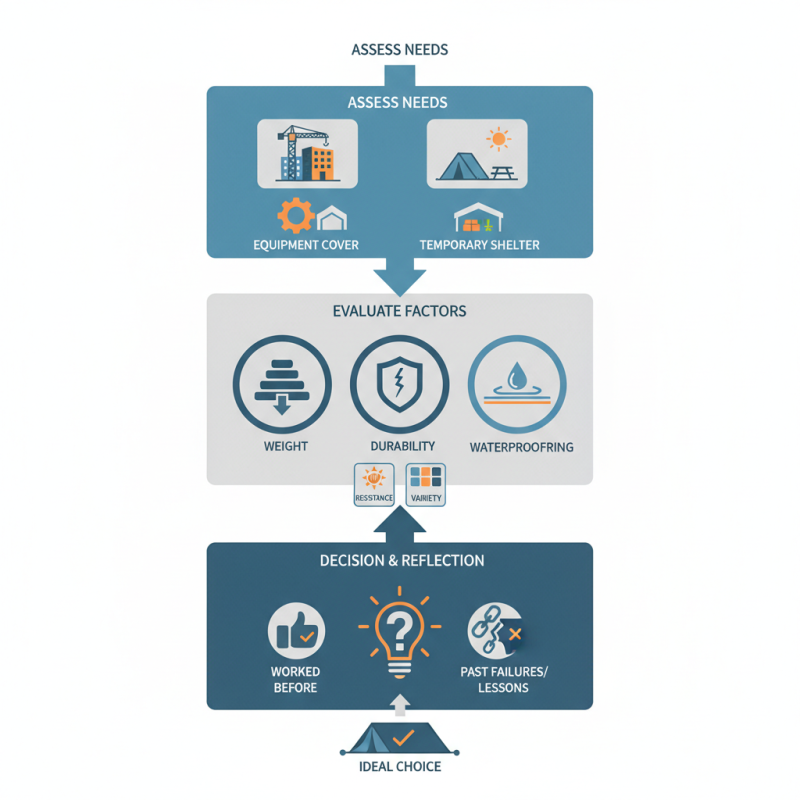
When selecting a PVC Tarpaulin, consider factors such as weight, durability, and waterproofing. A thicker tarp may last longer, but it could be harder to handle. Conversely, a lightweight option may not withstand harsh weather. The intended use should guide your decision. Are you covering equipment or creating temporary shelters?
It is easy to overlook essential features like UV resistance or color variety. Sometimes, what seems ideal may not perform well under specific conditions. Reflecting on past experiences can help. What worked before? What failures taught you valuable lessons? Choosing wisely requires careful thought, even if perfection seems elusive.
Factors to Consider When Selecting PVC Tarpaulin for Specific Uses
Selecting the right PVC tarpaulin involves various considerations based on its intended use. Durability is key for outdoor applications. High UV protection prolongs the material's life in sunlight. For construction sites, puncture resistance is vital. The material should also be waterproof to prevent damage.
Another important factor is weight. Heavier tarpaulins offer better protection but can be cumbersome. Lighter options are easier to handle. However, they may not withstand harsh weather. Think about the ease of transportation. Will it fit in your vehicle? Also, consider the color. Bright colors enhance visibility, while darker shades can be more discreet.
You might overlook the importance of thickness. Thicker tarpaulins provide greater resistance to wear and tear. They may come at a higher cost, but the longevity justifies the expense in many cases. Reflect on your budget and specific needs. What is essential? You may need to compromise somewhere. Determine if you prioritize durability over weight, or vice versa. Your choice should align with the real-world demands of the project at hand.
Understanding the Different Grades of PVC Tarpaulin Available in the Market
When choosing the best PVC tarpaulin, understanding the different grades is essential. Not all tarps are created equal. Some are heavy-duty, while others are lightweight. Heavy-duty PVC tarpaulins often have a denser fabric and are more resistant to tears and abrasions. They’re ideal for long-term outdoor use.
Lightweight PVC tarpaulins can be less durable. However, they are easier to handle and store. If you need a tarp for occasional use, this might be sufficient. Think about weather resistance too. Some tarps are specially treated to withstand UV rays and water, while others may fade quickly in sunlight.
Consider the thickness as well. Thicker tarps provide better protection but can be bulkier. It's a balancing act. You might find that some cheaper options don't last as long. Reflect on your needs. Will you use it for construction, camping, or as a cover for vehicles? Each application requires different features. Taking all these factors into account will guide you towards the right choice for your specific situation.
Evaluating the Thickness and Weight of PVC Tarpaulin for Durability
When selecting a PVC tarpaulin, thickness and weight are crucial factors. These elements determine the material's durability and performance. Thicker tarpaulins often offer better resistance to tears and wear. However, they can be heavier and less flexible. Consider your specific needs. A balance between weight and thickness will often lead to a better choice.
Tips: Check the denier rating. It reflects the fabric's density. Higher denier means more strength. Also, evaluate the intended use. Will it be exposed to harsh weather? Thicker options might be necessary for long-term outdoor use.
Lightweight tarpaulins are easier to transport and set up. But they may not withstand rough conditions as well. It's essential to balance convenience with strength. Remember, sometimes a slightly heavier option can offer better longevity, especially if you need durability in demanding environments. Reflect on your priorities before making a final decision.
How to Choose the Best PVC Tarpaulin for Your Needs? - Evaluating the Thickness and Weight of PVC Tarpaulin for Durability
| Features | Lightweight (300g/m²) | Medium Weight (500g/m²) | Heavyweight (700g/m²) |
| Thickness | 0.5 mm | 0.8 mm | 1.0 mm |
| Durability | 1-3 years | 3-5 years | 5-10 years |
| Water Resistance | Good | Very Good | Excellent |
| UV Resistance | Low | Moderate | High |
| Typical Applications | Covers, Tents | Tarpaulins, Banners | Heavy-duty Covers, Construction |
Key Performance Features of PVC Tarpaulin: UV Resistance and Waterproofing
When choosing a PVC tarpaulin, two key performance features stand out: UV resistance and waterproofing. UV resistance is crucial for products exposed to sunlight. Strong UV protection prolongs the life of your tarpaulin. It prevents fading and degradation. For instance, an outdoor cover can last years longer if it blocks harmful rays.
Waterproofing is another essential aspect. A good PVC tarpaulin should effectively repel water. This feature is vital for various applications, like tents and truck covers. A well-designed tarpaulin can withstand heavy rain without leaking. However, not all products are created equal. Some may have weak seams or inferior coatings, leading to disappointing performance.
While shopping for the right PVC tarpaulin, pay attention to these features. Examine the product specifications carefully. Don’t hesitate to ask questions or seek advice. Consider your specific needs, like the environment and expected usage. Sometimes, compromises are necessary. Balancing cost with durability can be challenging. Accessing reliable reviews can guide your decision, but make sure to look for detailed experiences, not just ratings.
Comparison of Key Performance Features of PVC Tarpaulin
Comparing Price Ranges and Quality Standards of PVC Tarpaulin Brands
When selecting the right PVC tarpaulin, price and quality are crucial. A recent industry report noted that prices vary significantly, ranging from $5 to $15 per square meter. This variance often reflects differences in manufacturing standards and materials used. Cheaper tarpaulins may save money upfront but could lead to higher costs down the line due to durability issues. These products might deteriorate faster under UV exposure, leading to frequent replacements.
Quality standards also play a vital role in this selection process. Industry data shows that high-quality PVC tarpaulin can withstand extreme weather conditions. Brands that meet ISO certifications tend to offer better performance, yet they may come with a higher price tag. In some instances, customers choose lower-priced options, risking their usefulness in severe conditions. A balance between cost and quality is necessary to avoid poor purchasing decisions. Checking specifications, such as thickness and tear resistance, can help ensure the tarpaulin meets your specific needs.