Choosing the best food contract manufacturing partner in China is not simply a price comparison. It is a test of quality, transparency, communication, and operational discipline. A capable manufacturer should turn a tested formula into consistent products, whether you need sauces, snacks, beverages, supplements, or frozen foods.
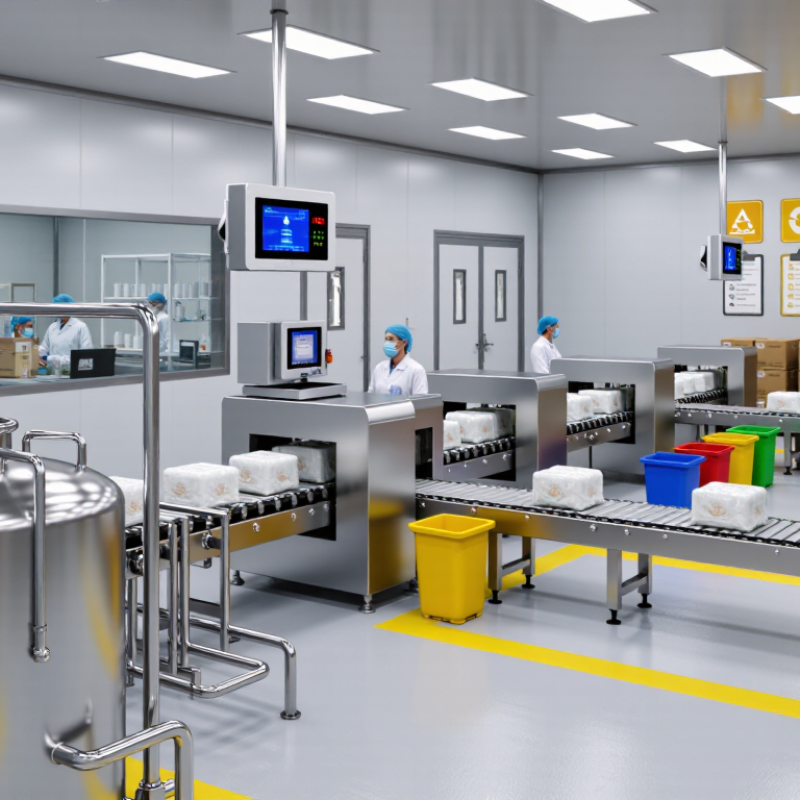
The factory floor tells part of the story. Stainless-steel mixing tanks, clearly labeled allergen zones, calibrated scales, and sealed packaging lines reveal daily habits. They do not prove everything. A polished facility can still hide weak documentation or irregular supplier controls. That is where careful evaluation matters.
Food safety expert Frank Yiannas has stated, “Food safety is not a competitive advantage; it is a prerequisite for doing business.” His point is especially important in food contract manufacturing. Buyers should examine HACCP systems, third-party certifications, batch records, laboratory testing, traceability, and recall procedures. They should also confirm whether the factory can meet the destination market’s requirements.
The best partner may not be the largest factory. It may be the one that answers difficult questions clearly and reports problems early. Ask how raw materials are approved. Ask who owns the formula. Ask what happens after a failed microbial test.
Cost still matters. So do minimum order quantities, lead times, packaging flexibility, and intellectual property protection. Yet low quotes can become expensive after delays, rejected shipments, or inconsistent batches. This article examines how to compare Chinese manufacturers realistically, with attention to evidence rather than impressive promises. There is no perfect supplier. There is only a better-informed decision.
Food contract manufacturing in China means outsourcing the development, production, packaging, or logistics of food products to a qualified third-party factory. The client usually owns the concept, specifications, and market strategy. The manufacturer supplies production capacity, technical staff, approved ingredients, quality systems, and packaging lines. The scope can cover frozen meals, beverages, snacks, sauces, supplements, and shelf-stable foods. It is broader than simply renting factory space.
China’s National Bureau of Statistics reported that the country’s food manufacturing industrial value added increased in 2023, showing continuing demand for processing capacity. The USDA Foreign Agricultural Service also estimated China’s retail food market at more than RMB 5 trillion in 2023. These figures help explain why contract production is expanding.
However, market size alone proves little. A reliable partner should document supplier approval, allergen controls, batch traceability, laboratory testing, and compliance with applicable GB food standards. HACCP and ISO 22000 systems are useful evidence, but certificates need practical verification.
The process often begins with sample trials and a written product specification. Then come pilot batches, packaging checks, shelf-life studies, and controlled commercial production. Small details matter. A humid warehouse can damage powdered ingredients. A weak seal can ruin an otherwise safe product. Costs may look attractive at first, yet tooling, testing, minimum order quantities, and rejected batches can change the calculation. The boundary between contract manufacturing and private-label service is not always clear, so buyers should define ownership, quality responsibility, and change-control procedures before signing.

What Is the Best Food Contract Manufacturing in China?
How China’s Food Contract Manufacturing Industry Operates
China’s food contract manufacturing industry operates through a structured, buyer-led process. A client usually submits a product brief, target cost, recipe, packaging format, and expected volume. The manufacturer then checks ingredient availability, production capacity, and regulatory requirements. Product trials may involve several small batches. The first sample is rarely perfect.
The market is substantial. The China Food Industry Association reported that China’s food industry achieved approximately RMB 8.99 trillion in operating revenue in 2023. This scale supports specialized factories for beverages, baked foods, seasonings, frozen products, and nutritional foods. However, capacity alone does not prove reliability. A suitable factory should provide traceable raw-material records, documented allergen controls, batch testing, and stable process parameters. China’s National Health Commission and the State Administration for Market Regulation set important food-safety requirements, including standards for labeling and production hygiene.
In daily operations, approved suppliers deliver materials to a controlled warehouse. Technicians verify moisture, color, weight, and microbiological indicators before production. Quality teams inspect filling temperatures, seal strength, metal detection, and finished-product samples. Independent laboratory testing may support export documentation. The buyer should also review recall procedures and audit records, not only factory photographs. That is where many evaluations become weak. Low pricing can hide high minimum orders, slow formula changes, or poor communication. The best partner is usually the one matching the product’s risk, volume, market, and compliance needs.
Sources: China Food Industry Association, China Food Industry Development Report 2024; National Health Commission of the People’s Republic of China; State Administration for Market Regulation.
| Product Category | Common Contract Manufacturing Model | Typical Production Process | Key Regulatory and Food-Safety Requirements | Indicative MOQ for Planning | Indicative Development and Production Lead Time | Main Cost Drivers | Critical Quality-Control Points |
|---|---|---|---|---|---|---|---|
| Shelf-Stable Beverages | Formula development, pilot production, filling, packaging, and finished-goods delivery | Water treatment, ingredient batching, blending, homogenization where applicable, sterilization or pasteurization, filling, coding, and carton packing | Food Production License GB 14881 GB 2760 Label compliance | Approximately 10,000–50,000 units, depending on package format and line capacity | About 8–16 weeks for an existing formula; longer when formula development, stability testing, or new packaging is required | Ingredients, bottle or can format, filling speed, packaging materials, minimum packaging orders, and energy consumption | Microbiological safety, pH, soluble solids, fill volume, thermal-process records, seal integrity, and shelf-life validation |
| Powdered Drinks and Nutrition Powders | Blending and packing using an existing dry-processing system or a customized formulation | Raw-material inspection, sieving, weighing, dry blending, metal detection, filling, nitrogen flushing where used, sealing, and coding | Ingredient legality GB 2760 Allergen control Label review | Approximately 500–3,000 kg or 10,000–50,000 retail units, depending on the pack size | About 6–14 weeks for standard products; additional time may be needed for new formulas and stability studies | Functional ingredients, imported materials, blending losses, sachet or tub packaging, desiccants, and testing requirements | Moisture, water activity, blend uniformity, particle size, foreign-matter control, allergen segregation, and seal performance |
| Biscuits, Cookies, and Baked Snacks | Recipe adjustment, dough preparation, baking, cooling, packing, and private-label or custom packaging | Ingredient weighing, mixing, forming, baking, cooling, metal detection, primary packing, secondary packing, and palletizing | Food Production License GB 14881 Allergen management Nutrition labeling | Approximately 1–5 metric tons per production run or 10,000–100,000 retail packs | About 6–12 weeks for an existing product; new tooling, flavor development, or packaging can extend the schedule | Flour, oils, inclusions, baking yield, forming molds, film and carton specifications, and production efficiency | Moisture, water activity, texture, weight, bake uniformity, rancidity risk, allergen cross-contact, and package barrier performance |
| Sauces, Seasonings, and Condiments | Recipe commercialization, batch cooking or blending, hot filling or aseptic filling, and packaged-goods production | Ingredient inspection, batching, mixing, cooking, emulsification where required, filling, cooling, coding, and finished-product inspection | GB 14881 GB 2760 Process validation Traceability | Approximately 1–10 metric tons per batch or 10,000–100,000 units | About 8–16 weeks, including formula confirmation, process trials, packaging approval, and shelf-life assessment | Oil and spice prices, recipe complexity, cooking time, container type, cap or closure system, and microbiological testing | Viscosity, pH, salt or soluble-solids content, emulsion stability, thermal-process control, seal integrity, and microbial limits |
| Confectionery and Snack Bars | Ingredient sourcing, recipe customization, forming, coating, wrapping, and multipack assembly | Ingredient preparation, cooking or melting, mixing, slab forming or extrusion, cooling, cutting, coating where applicable, wrapping, and packing | Ingredient compliance Allergen control GB 2760 Packaging compliance | Approximately 500 kg–3 metric tons per run or 20,000–100,000 units | About 8–16 weeks for a standard recipe; new inclusions, coatings, or formats require additional trials | Chocolate or coating materials, nuts and inclusions, wrapping film, temperature control, labor, and product losses | Weight consistency, texture, water activity, coating uniformity, allergen segregation, seal quality, and heat stability |
| Frozen and Ready-to-Cook Foods | Recipe standardization, centralized processing, rapid freezing, cold-chain storage, and shipment | Ingredient preparation, cooking or assembly, portioning, rapid freezing, metal detection, frozen storage, and refrigerated or frozen distribution | Cold-chain control GB 14881 Microbiological testing Traceability | Approximately 1–10 metric tons per run or 10,000–100,000 packs | About 10–20 weeks because of process validation, cold-chain trials, packaging testing, and shelf-life evaluation | Meat or seafood inputs, labor intensity, freezing capacity, cold storage, packaging, and transportation distance | Core temperature, freezing rate, microbial control, cooking yield, weight, package integrity, and uninterrupted cold-chain records |
| Canned and Retort-Pouch Foods | Recipe and process transfer, thermal processing, container filling, sterilization, and long-term inventory management | Ingredient preparation, filling, sealing, retort or sterilization, cooling, container inspection, incubation testing where applicable, and coding | Thermal-process validation Container safety GB 14881 Traceability | Approximately 1–10 metric tons per run or 10,000–100,000 containers | About 12–24 weeks, particularly when a new container, retort schedule, or shelf-life study is required | Retort capacity, container materials, protein or vegetable inputs, thermal-processing time, testing, and inventory carrying cost | Commercial sterility, seal or seam integrity, container deformation, headspace, process records, sensory quality, and shelf-life performance |
| Functional and Special-Diet Foods | Formula design, regulatory review, controlled production, testing, and customized packaging | Ingredient qualification, formula verification, controlled batching, processing, filling, finished-product testing, and release approval | Permitted ingredients Claim substantiation GB 2760 Label review | Approximately 500 kg–3 metric tons or 10,000–50,000 units, subject to formula and packaging requirements | About 12–24 weeks or more when stability, nutritional, microbiological, or claim-related testing is required | Specialty ingredients, laboratory testing, formulation work, controlled production, packaging barriers, and documentation | Nutrient accuracy, active-ingredient uniformity, contaminant limits, microbiological safety, allergen control, and claim consistency |
| Packaging and Supply-Chain Services | End-to-end contract manufacturing, including sourcing, production, warehousing, quality release, and export documentation | Supplier qualification, purchasing, incoming inspection, production scheduling, in-process control, finished-goods release, warehousing, and shipment | Supplier audit Batch traceability Recall procedure Export documentation | Determined by the production line, packaging format, and annual forecast; lower volumes may require higher unit costs | Typically 8–24 weeks from approved specifications to first commercial shipment | Packaging minimums, warehousing, testing, logistics, customs documents, changeovers, and inventory requirements | Approved specifications, certificate review, batch records, lot coding, release testing, complaint handling, and recall readiness |
Note: MOQ and lead-time figures are indicative planning ranges commonly used in China’s food contract manufacturing sector. Actual values vary according to product complexity, facility capacity, packaging format, testing requirements, formula status, order volume, and export-market regulations. GB 14881 refers to the Chinese national standard for general hygiene specifications for food production; GB 2760 governs the use of food additives.
What Is the Best Food Contract Manufacturing in China?
Key Criteria for Evaluating Chinese Food Contract Manufacturers
Choosing a food contract manufacturer in China requires more than comparing prices. Start with documented experience in your product category. A factory producing dry snacks may not understand chilled sauces or powdered supplements. Ask for anonymized case details, production volumes, and examples of similar processing challenges.
Food safety systems deserve close inspection. Review HACCP plans, allergen controls, sanitation records, and third-party certification reports. Confirm that certificates match the actual production site. Traceability should reach each ingredient lot, packaging batch, and finished shipment. Request sample batch records and certificates of analysis. A serious manufacturer should explain testing methods clearly, not hide behind technical language.
Visit the facility if possible. Observe hand-washing stations, temperature logs, pest controls, storage conditions, and line separation. Ask how workers manage product changes and unexpected contamination risks. Check whether the factory can support pilot runs before full production. Clear minimum order quantities, realistic lead times, packaging options, and written change-control procedures also matter. Communication is often underestimated. One unclear message about a formula change can create expensive delays. A polished website proves little. No evaluation method is perfect, either. I would leave room for small trial orders, because actual batch consistency may challenge an impressive presentation.
What Is the Best Food Contract Manufacturing in China?
China’s strongest food manufacturing regions differ by ingredient access and production depth. Guangdong offers mature processing networks, export infrastructure, and flexible packaging suppliers. It suits beverages, sauces, snacks, and shelf-stable products. Fujian has strong seafood, tea, and plant-based ingredient capabilities. Its coastal logistics can shorten delivery times for imported materials.
Shandong is a major choice for grain, dairy, meat, and functional food processing. The National Bureau of Statistics reported China’s 2024 grain output at approximately 706.5 million tonnes. This large agricultural base supports reliable sourcing, although seasonal pricing still creates pressure. Jiangsu and Zhejiang provide advanced automation, laboratory services, and convenient access to eastern ports. They often fit products requiring strict process control or frequent product changes.
The USDA Foreign Agricultural Service’s 2024 China Food Processing Ingredients Annual Report describes China as a large, diverse, and highly competitive processing market. That diversity is useful, but it complicates supplier selection. A capable factory should show HACCP-based controls, traceable batch records, allergen management, and recent third-party audit results. I would also inspect pilot equipment, not only production lines. A supplier may produce millions of standard units yet struggle with a small trial batch. That weakness matters. Request samples from different production dates, verify storage conditions, and compare actual lead times with written commitments. A region can look perfect on paper, but factory-level evidence remains decisive.
Relative capability assessment of major Chinese food manufacturing regions. Scores from 1 to 5 reflect the depth of regional supply chains, raw-material access, processing specialization, and suitability for contract manufacturing.
Guangdong is especially strong in beverages, sauces, confectionery, and functional foods; Shandong in seafood, frozen foods, and agricultural processing; Fujian in seafood, tea-based beverages, and canned foods; Jiangsu and Zhejiang in bakery, beverages, condiments, and packaged foods; Sichuan and Chongqing in sauces, ready meals, and spicy snack products.
Selecting the best food contract manufacturer in China requires more than comparing prices. Start by defining your product clearly, including ingredients, texture, packaging, shelf life, and target markets. A capable manufacturer should explain its process without hiding technical details. Ask for production records, quality certificates, allergen controls, and traceability procedures. Visit the facility if possible. Clean floors and organized storage matter, but they do not prove everything.
Tips: Request samples from the same production line, not only laboratory prototypes. Review the pilot batch carefully. Check weight consistency, taste, seal strength, and label accuracy. Ask how the factory handles rejected materials and unexpected supply delays. Confirm its minimum order quantity, lead time, testing services, and communication process. Written answers are safer than friendly promises.
Evaluate the quality team separately from the sales team. Confirm who approves raw materials and who investigates complaints. A strong partner should support documented testing and transparent corrective actions. It should also understand the food regulations of your destination market. Do not choose only the cheapest offer. Low pricing may hide weaker controls, unstable sourcing, or expensive rework. A polished factory tour can still mislead. Independent audits and small trial orders reduce that risk. Some decisions remain uncertain, especially when forecasts are limited. Review performance after each batch, and adjust the agreement when evidence shows a weakness.