Top Benefits of Food Contract Manufacturing for Your Business Success
In the ever-evolving landscape of the food industry, businesses face myriad challenges from production capacity to regulatory compliance. One effective solution that has garnered attention is food contract manufacturing. This approach allows companies to leverage the expertise and resources of specialized manufacturers, ensuring a streamlined production process while focusing on their core competencies. As businesses strive for efficiency and quality, understanding the top benefits of food contract manufacturing becomes crucial for achieving long-term success.
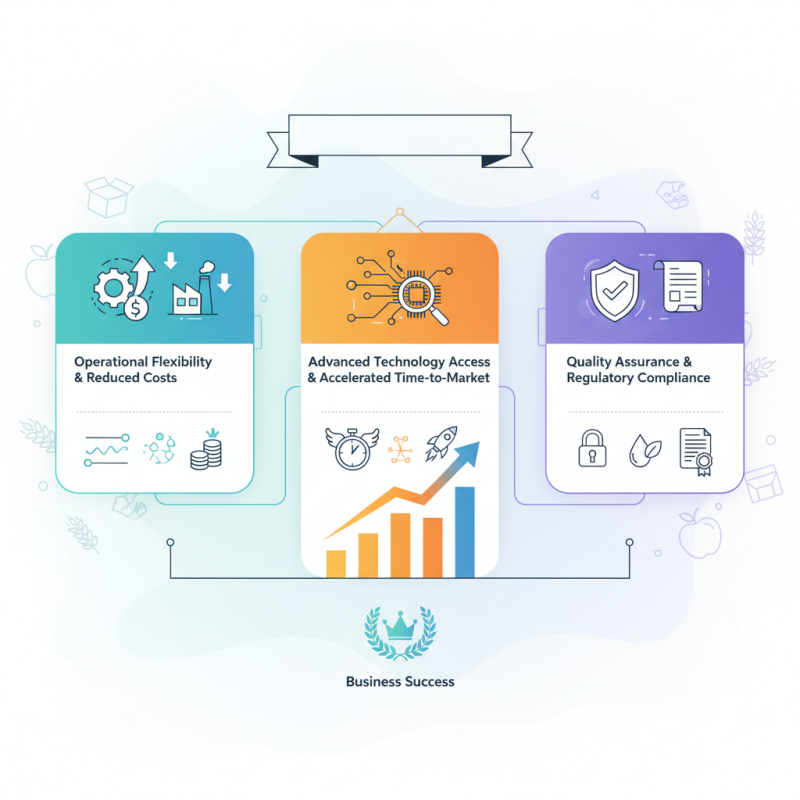
By partnering with experienced manufacturers, companies can enhance their operational flexibility, reduce overhead costs, and access advanced technology without the significant investment typically required for in-house production. This strategic collaboration not only accelerates time-to-market but also empowers businesses to remain competitive in a crowded marketplace. Additionally, food contract manufacturing provides access to professional quality assurance and compliance knowledge, critical for navigating the complex landscape of food safety regulations.
Ultimately, embracing food contract manufacturing can transform a company's production dynamics, enabling them to respond swiftly to market demands while maintaining high standards. As we explore the numerous advantages this model offers, it becomes increasingly clear why it is a transformative strategy for businesses aiming for success in the food sector.
Understanding Food Contract Manufacturing: An Overview
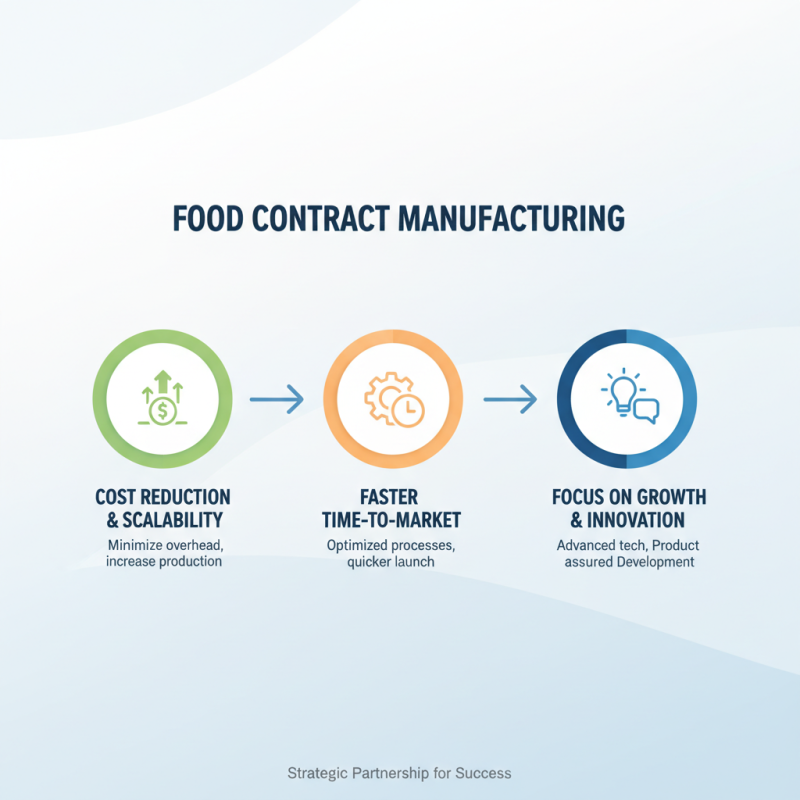
Food contract manufacturing is a strategic partnership that allows businesses to outsource their production processes to specialized manufacturers. This arrangement is particularly beneficial for companies looking to scale operations while minimizing costs. By leveraging the expertise and resources of contract manufacturers, businesses can focus on their core competencies like marketing and product development. This collaboration enables brands to bring their products to market faster and with higher quality assurance, as manufacturers often have more advanced technology and established production methods.
Moreover, food contract manufacturing provides flexibility and scalability. Companies can adjust their production volumes based on market demand without the need for significant investment in facilities or equipment. This adaptability is crucial in the ever-changing food industry, where consumer preferences and trends can shift rapidly. Additionally, contract manufacturers often possess certifications and adhere to food safety regulations, which can enhance a brand’s credibility and ensure compliance with industry standards. Thus, food contract manufacturing stands out as an intelligent solution for businesses aiming for growth and efficiency in a competitive landscape.
Cost Efficiency: How Food Contract Manufacturing Saves Your Business Money
Food contract manufacturing is increasingly recognized as a strategic decision for businesses aiming to achieve cost efficiency. By outsourcing production, companies can significantly reduce operational expenses such as labor costs, equipment maintenance, and facility overhead. According to a report from the International Food Information Council, businesses can save up to 30% on production costs when leveraging contract manufacturers. This model enables companies to allocate more resources toward marketing, research and development, and scaling operations instead of investing heavily in manufacturing infrastructure.
Moreover, food contract manufacturers often possess specialized expertise and advanced technology that smaller firms might not afford. A survey by the Food and Drink Federation revealed that 70% of businesses that collaborate with contract manufacturers reported improved product quality and consistency. The ability to access state-of-the-art facilities can lead to better economies of scale, optimizing production runs and allowing businesses to respond quickly to market demands. This agility is critical in today’s fast-paced food industry, where consumer preferences shift rapidly. By focusing on core competencies and outsourcing production, businesses can enhance profitability while also fostering innovation in their product offerings.
Quality Control and Compliance in Food Contract Manufacturing
Quality control and compliance are pivotal aspects of food contract manufacturing that directly affect a business's reputation and success in the competitive food industry. According to a report by Mordor Intelligence, the global food contract manufacturing market is projected to grow at a CAGR of 6.2% from 2021 to 2026, underscoring the increasing reliance on contract manufacturers to uphold stringent quality standards. By partnering with experienced manufacturers, businesses can benefit from established quality control processes that align with industry regulations, such as the FDA and GMP guidelines, ensuring that food products meet safety and quality benchmarks.
Furthermore, the importance of compliance in food contract manufacturing cannot be overstated. A survey conducted by the Institute of Food Technologists revealed that 70% of food companies prioritize compliance to regulations as a critical factor when selecting contract manufacturers. This emphasizes the need for manufacturers to maintain certifications such as ISO 22000 and HACCP, which guarantee that quality management systems are in place. By adhering to these standards, businesses can minimize the risks associated with food safety incidents, thereby fostering consumer trust and loyalty, ultimately leading to enhanced business success.
Top Benefits of Food Contract Manufacturing
This chart illustrates the top benefits of food contract manufacturing for businesses. The highlighted advantages include Quality Control, Cost Efficiency, Scalability, Regulatory Compliance, and Focus on Core Competencies, represented as percentages of surveyed manufacturers' experiences.
Scalability and Flexibility: Adapting to Market Demands
Food contract manufacturing offers businesses the vital scalability and flexibility needed to thrive in today’s competitive market. As consumer preferences and demands shift rapidly, companies must be able to adapt their production capabilities without incurring hefty costs. By partnering with a contract manufacturer, businesses can efficiently scale their operations, whether it be increasing production for a seasonal surge or scaling down during quieter periods. This ensures that they can respond promptly to market trends without the added burden of maintaining excess capacity.
Moreover, the flexibility provided by contract manufacturing allows businesses to experiment with new products and formulations with minimal risk. When a company decides to enter a new market segment or launch a new product line, it can leverage the expertise and resources of a contract manufacturer. This collaboration enables swift adjustments in production runs, packing, and supply chain logistics, catering to specific consumer demands. An adaptable manufacturing partner can help businesses stay agile, allowing them to innovate and pivot strategies efficiently, ultimately driving growth and ensuring long-term success in the ever-evolving food industry.
Accessing Expertise and Innovation Through Food Contract Manufacturers
Food contract manufacturing offers businesses a unique opportunity to harness specialized expertise and innovative solutions that can drive their success. By collaborating with established food contract manufacturers, companies gain access to a wealth of knowledge and resources. These manufacturers often have extensive experience in product development, quality assurance, and compliance with food safety regulations, which can significantly enhance your product's market readiness and overall quality.
Tips: When choosing a food contract manufacturer, it’s essential to evaluate their credentials and industry experience. Look for manufacturers that align with your brand's values and have a proven track record in producing similar products. Additionally, consider engaging in a collaborative development process where your input is taken into account, as this can lead to more innovative product offerings.
Accessing the latest technologies and industry innovations is another critical benefit of working with food contract manufacturers. They typically invest in state-of-the-art facilities and equipment, which can save you the substantial costs associated with upgrading your own production line. Furthermore, these manufacturers are often at the forefront of market trends and can provide insights into consumer preferences, helping you to stay competitive.
Tips: Keep an open line of communication with your contract manufacturer. Regular discussions about industry trends and consumer feedback can help foster a collaborative environment, allowing you to adapt and innovate effectively.